Connect with us

News

Despite clearing $3.4bn COVID-19 loan, Nigeria still owes IMF $120m

Published

on

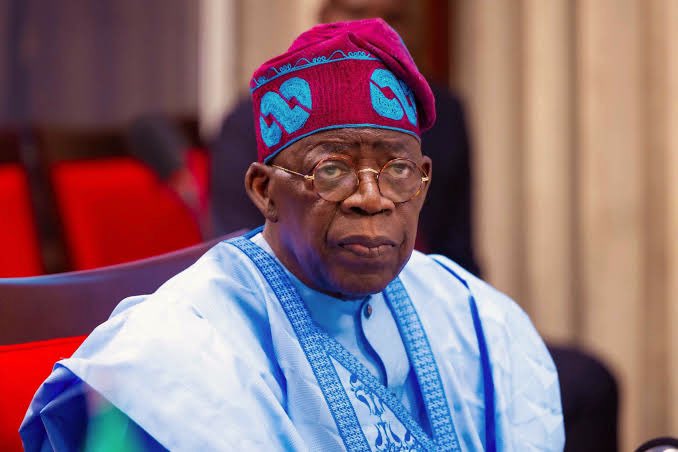
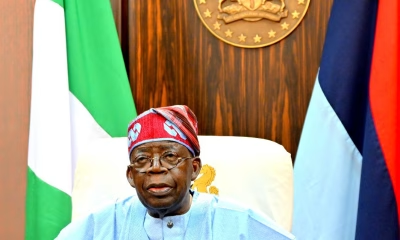
President Tinubu
President Bola Tinubu
Share for social good

The International Monetary Fund (IMF) on Thursday confirmed that Nigeria has fully repaid the $3.4 billion COVID-19 financial support it got under the Rapid Financing Instrument (RFI).

But despite the confirmation, the government is still indebted to the multilateral organisation to the tune of about $30m, which is the Special Drawing Rights (SDR) charges According to Daily Trust report.

The $30m equivalent of N48.2bn would be paid annually over a period of four years as charges on the loan. This would amount to over N190bn.

The SDRs are supplementary foreign exchange reserve assets defined and maintained by the IMF which represent a claim to currency held by IMF member countries for which they may be exchanged.
There have been mixed reactions over the claim of the full repayment of the IMF loan which the presidency has widely celebrated.

FIRS

Senior Special Assistant to the President, Otega Ogra had posted a widely circulated post on X (formerly Twitter) account sharing the good news of Nigeria’s exit from the IMF debtors’ list.

He said this was a signal of “Discipline, reform and strategic reset by the Tinubu-Shettima administration in restructuring our finances to enable us to be better placed for a prosperous future.”

READ ALSO

The announcement according report was coming amidst criticism of the Bola Ahmed Tinubu-led administration over the rising domestic and external debts.

Nigeria’s total domestic and external debts amount to over N144.67 trillion as of December 2024, according to the Debt Management Office (DMO).

WHAT IMF SAID

In a statement yesterday on behalf of the IMF’s Resident Representative for Nigeria, Mr. Christian Ebeke cleared the air on the repayment of the RFI loan facility, which was disbursed in April 2020 during the COVID-19 pandemic.

During the pandemic, the global economy was almost shut down resulting in sharp fall in oil prices, slowdown of the economic activities and drastic drop in revenues to the government.

Having cleared the principal amount, the federal government is now expected to pay the interests and charges on the loan estimated to be about N200bn.

IMF said, “As of April 30, 2025, Nigeria has fully repaid the financial support of about US$3.4 billion it requested and received in April 2020 from the International Monetary Fund (IMF) under the Rapid Financing Instrument to help alleviate the impact of the COVID-19 pandemic and the sharp fall in oil prices.”

It however explained that Nigeria would continue to make annual payments of approximately $30 million in SDR-related charges over the next few years.

These charges, it stated, accrued from the difference between Nigeria’s SDR holdings and its cumulative SDR allocation.

The statement added, “Nigeria is expected to honor some additional payments in the form of Special Drawing Rights charges of about US$30 million annually.

“In line with the IMF’s Articles of Agreements, these charges, levied at the SDR interest rate, which is updated at the beginning of each week, apply to the difference between Nigeria’s SDR holdings (SDR 3,164 million) (US$4.3 billion) and its cumulative SDR allocation (SDR 4,027 million) (US$5.5 billion) The net payment of the charges stops when Nigeria’s SDR holdings reach the cumulative allocation amount.”

Debt burden persists despite IMF’s loan repayment

As stated earlier, Nigeria’s public debt of N144 trillion as of December 2024 remains a source of concerns for stakeholders and observers.

This amount has been projected to grow significantly before the end of the year following the 2025 budget deficit of N13 trillion.

With the sharp drop in oil prices in recent times, there are indications that the federal government would borrow more to bridge the deficit.

Already, the federal government is indebted to many multilateral organisations like the IMF, World Bank, African Development Bank (AfDB), among others.

Last year, Nigeria spent $4.66bn on external debt servicing, a significant increase from $3.5bn in 2023 with the multilateral creditors accounting for the largest portion at $2.62bn or 56 per cent of the total.

In addition, Nigeria has continued to take fresh loans from the World Bank with over $8bn secured from the organisation alone.

With the amount of loan facilities yet to be repaid and with more facilities in the offing especially with the World Bank, economic analysts say it is not yet Uhuru for the government.

They particularly cautioned against being carried away by the loan repayment with the IMF and stressed the need to double down especially on foreign loans to ensure debt and fiscal sustainability.

Emeritus Professor of Economics, Ndubisi Nwokoma believes nothing has really changed as there were other loan facilities still hanging on the neck of the federal government.

He said, “That has not changed the big picture, the big picture is still not a good or desired position.

Government is still borrowing, we are indebted to many multilateral institutions, we are indebted to AfDB, World Bank, we are taking bilateral loans, so it doesn’t significantly change our debt profile and with the drop in the price of oil, it makes it more difficult for government to stay without borrowing, even though it has been made easier by the removal of fuel subsidy and the harmonisation of the foreign exchange market.

“This had made it easier for the government in terms of public finance and not to be under serious pressure, if there were still fuel subsidy the fall in price of fuel would have been a very big blow on public finance because basically we are talking about public finance, government has much money to play around with, so the triple down effect on the economy is not very strong, but in terms of fiscal sustainability for government, it’s an improvement.

“So nothing has changed on the part of the common man or the economy or inability to get the economy out of the woods but public finance, fiscal sustainability is being assisted with those earlier policies that took place in 2023 but drop in price of crude may make us go back to our borrowing ways, so not much has really changed.”

READ ALSO

FG deserves commendation

An economist at the African School of Economics in Abuja, Dr. Oluseye Ajuwon commended the government for clearing the IMF loan.

He stated that there is no nation that exists without borrowing. However, Nigeria must borrow “responsibly.”

“There is no nation that can do without borrowing, not even a developed country not to talk of a struggling economy like ours. However, we need to borrow responsibly.

“Borrowing responsibly simply means borrowing money for a project that will be able to repay the loan by itself, and spending the loan judiciously.”

‘We need to double down’

Dr. Muda Yusuf, Director/CEO, Centre for the Promotion of Private Enterprises (CPPE) said the repayment of the IMF loan signaled the commitment of the government to reduce its debt burden.

“However, I think we need to continue to double down on the reduction of our debts because given the current debt level and particularly given the current level of our debt service commitment and the amount of resources we are committing to debt service, I think it will help our fiscal sustainability, our debt sustainability if we work towards reducing the totality of our debt exposure especially external debt because from all indications, external debts are much more difficult to manage and service than domestic debts,” he stated.

According to him, the focus must be on doubling down both domestic and external debt.

“So the payment of these components of debt is a welcome development, it will in some sense reduce the burden of outstanding debts and we need to do a lot more of that and going forward, as much as possible we should reduce our exposures, especially to foreign debts.

“And utilisation of debts is also important, debts must be committed to projects that would enhance the productivity in the economy and that should be our priority and that is speaking largely to our infrastructure stock.

“We should prioritise infrastructure investment in our debt exposure, which is extremely important. I am also hoping that our fiscal consolidation objectives will also improve and will also be better achieved with the current tax reform.

“We expect that the revenue administration would be much more efficient without necessarily putting additional burden on the citizens or businesses. If we are able to do that, then the pressure to incur more debt would reduce. We need to ensure that the cost of domestic debts is as low as it can be as well.”

READ ALSO


Share for social good
CLICK TO GET A WhoGoHost Hosting PLAN
Continue Reading
Advertisement
Click to comment

Leave a Reply

Your email address will not be published. Required fields are marked *

This site uses Akismet to reduce spam. Learn how your comment data is processed.

News

Serial Facebook Propagandist, Michael Itok, Arrested Over Alleged Misinformation Campaign

Published

on

Michael Itok
Share for social good

By Rikki Nwajiofor

In a significant development highlighting the growing crackdown on online misinformation and character defamation in Nigeria, Michael Itok, a well-known serial propagandist, has been arrested by authorities. Itok, infamous for originating, peddling, and disseminating false information via his Facebook page, is currently in custody at the Force Headquarters. He is expected to be arraigned soon on multiple charges related to his recent Facebook posts.

Itok’s latest controversy stems from his vocal defense of Victor Thompson, who was recently arraigned by the Economic and Financial Crimes Commission (EFCC) Uyo Zonal Directorate on charges of allegedly defrauding American investors of over $525,000 in a fake mineral and seaport investment scheme. According to the EFCC reports, published on the EFCC official Facebook page on 2nd February 2026, Victor Thompson was arraigned on eight-count charges.

FIRS
Mr. Peter Jensen & Mrs. Tammy Jensen

Rather than allowing the EFCC to conduct its investigation unimpeded, Michael Itok took to his Facebook page to spread what can best be described as deliberate misinformation. He falsely claimed that Victor Thompson’s arrest was a “witch hunt” stemming from Victor’s alleged refusal to marry the daughter of an American investor – Mrs. Tammy Jensen. This narrative, entirely fabricated, aimed to mislead the public and undermine the ongoing probe into serious financial crimes.

Investigations reveal that the actual allegations against Victor Thompson center on fraud against American investors led by Mrs. Jensen, who is a respected humble philanthropist, a dedicated Christian, a motivational speaker, and a self-discovery coach who founded WIRA (Who I Really Am) International – an organization focused on human empowerment and spiritual growth. Mrs. Tammy Jensen is happily married to Mr. Peter Jensen – a highly disciplined husband, an outstanding US Airforce Lt. Col (rtd), and a devout Christian with a heart of gold. The Jensens, renowned as a role model for families, are set to celebrate their 30th wedding anniversary on February 16, 2026, a milestone that stands in stark contrast to Itok’s defamatory tales.

By publishing photos of Mrs. Jensen and peddling these lies, Itok not only attempted to discredit the alleged victim but also risked inciting public confusion about a legitimate EFCC investigation. Such actions, experts argue, erode trust in law enforcement and could hinder justice in fraud cases that impact international relations.

Itok’s recent posts on his Facebook page extend beyond Victor Thompson’s case. He also published unprintable and blackmailing articles targeting Imabong Uboh, a prominent figure in Akwa Ibom, and Senator John James Akpan Udo-Edehe, a seasoned politician from Akwa Ibom North East District.

Recall that on October 8, 2019, Michael Itok was arrested by the Department of State Services (DSS) on charges of publishing damaging, harassing, and blackmailing content against the then-Governor of Akwa Ibom State, Udom Emmanuel. The incident, widely reported by Premium Times (online) on November 27 and 29, 2019 involved “annoying” Facebook posts that led to his detention for over 60 days. Itok was granted bail in December 2019 in the sum of N500,000 by the Akwa Ibom State High Court. Despite this history, Itok continued his activities, prompting the current arrest.

As Itok awaits arraignment on multiple count charges under cybercrime laws, this arrest serves as a cautionary tale. It underscores the EFCC’s commitment to pursuing fraud cases and the broader push by Nigerian security agencies to curb online abuse. The public is urged to verify information from credible sources and avoid amplifying unverified claims.

Stay tuned for updates as the case unfolds.


Share for social good
CLICK TO GET A WhoGoHost Hosting PLAN
Continue Reading

News

Tinubu Hails Bank of Industry Over N636bn Disbursement in 2025, Says It Validates Reform Agenda

Published

on

Tinubu Hails BOI for Record N636bn Business Loans in 2025
Share for social good

President Bola Ahmed Tinubu has praised the Bank of Industry (BOI) for disbursing a record N636 billion to businesses in 2025, describing the milestone as clear proof that his administration’s economic reforms are yielding measurable results.

The N636 billion represents the highest annual financing volume in BOI’s history, with over 7,000 enterprises nationwide benefiting from the intervention.

Where the Money Went

A breakdown of the 2025 disbursement shows strategic allocation across critical sectors:

  • N202 billion – Agro-allied enterprises
  • N100 billion – Infrastructure (broadband, power, aviation, transportation)
  • N79 billion – Manufacturing
  • N77 billion – Extractive industries
  • N55 billion – Services
  • N73 billion – Managed and matching funds for states and institutional partners

The President said the figures translate directly into increased productivity, industrial expansion, and national development.

FIRS

“At a time of global financing constraints, Nigeria expanded access to long-term capital for its businesses. That is a direct outcome of reform, credibility, and institutional discipline,” Tinubu stated.

Support Across Business Sizes

The disbursement reflected a deliberate inclusion strategy:

  • Nano enterprises: N51 billion
  • Micro businesses: N32 billion
  • Small & Medium Enterprises (SMEs): N178 billion
  • Large enterprises: N375 billion

Under the Federal Government’s N200 billion MSME intervention programme, BOI achieved over 95% performance as the disbursing institution.

The Presidential Conditional Grant Scheme reached 957,400 beneficiaries in 2025 alone.

Women, Youth & Rural Inclusion

BOI’s inclusive financing initiatives delivered measurable impact:

  • N10 billion Guaranteed Loans for Women Programme (up to N50m per beneficiary)
  • N12 billion for youth-owned enterprises
  • N6.5 billion disbursed to 880 rural enterprises across 36 states and FCT

The interventions strengthened women-led businesses, empowered youth entrepreneurs, and expanded rural economic participation.

1.6 Million Jobs Impacted

BOI’s financing activities contributed to the creation and retention of approximately 1.6 million jobs in 2025.

The bank supported:

  • Over 7,000 MSMEs
  • 570 startups
  • 47,508 smallholder farmers linked to formal value chains
  • 100 mini-grids deployed, connecting 11,777 new electricity customers

BOI-financed projects also reduced an estimated 20,000 tonnes of carbon emissions annually, aligning with sustainability goals.

Boost for Digital & Creative Economy

Through the Investment in Digital and Creative Enterprises Programme:

  • 500 founders were prepared for investment
  • 100 technology ventures received funding
  • 400 youths were trained
  • Innovation initiatives targeted over 300,000 Nigerians

Strong Financial Discipline

Despite macroeconomic challenges, BOI maintained a non-performing loan ratio below 1.5%, reflecting strong asset quality.

The bank also strengthened its lending capacity through:

  • A €2 billion syndicated facility secured in 2024
  • An additional €210 million mobilised from international partners in 2025

Reform is Delivering Results – Tinubu

President Tinubu described the performance as validation of his administration’s macroeconomic reform agenda.

“Development finance must be disciplined, measurable, and aligned with national priorities,” the President said.

He maintained that strengthened institutions like BOI are key to unlocking capital, boosting productivity, and sustaining economic growth.

The N636 billion disbursement signals an aggressive push to drive industrial growth, SME expansion, and inclusive financing under the current administration.

While the figures are historic, stakeholders say sustained impact will depend on implementation, monitoring, and continued macroeconomic stability.

Follow BONA NAIJA for more


Share for social good
CLICK TO GET A WhoGoHost Hosting PLAN
Continue Reading

Business

First Bank Vs Nestoil: Igbo Community Stakeholders Raise Concern Over Commercial Disputes in Lagos

Published

on

Igbo Community Stakeholders statement in Lagos
Share for social good

The Igbo Community Stakeholders, Lagos State Chapter, have raised serious concerns over ongoing commercial disputes involving Igbo-owned businesses in Lagos, including Nestoil, and billionaire businessman Femi Otedola.

In a public statement issued on February 9, 2026, the group alleged that excessive commercial pressure and institutional influence were being applied in the handling of some disputes linked to financial institutions operating in the state, raising questions about fairness and due process in Nigeria’s business environment.

According to the stakeholders, the reported developments have raised serious questions about fairness, due process, and respect for indigenous business ownership in Nigeria’s commercial environment.

The group emphasized that its position is rooted in the principles of equity and the rule of law, stressing that no individual or corporate entity should be regarded as being above the law.

FIRS

“We believe Nigeria’s business environment must remain fair, transparent, and rules-based,” the statement said, adding that commercial disputes should be resolved strictly through lawful means such as negotiation, arbitration, or the courts.

The Igbo Community Stakeholders further called for restraint in the use of influence or institutional power in resolving business disagreements and urged transparent and fair engagement with Igbo-owned enterprises operating in Lagos.

They also appealed for peaceful, structured, and lawful resolution of all disputes, making it clear that their statement was not intended as a threat but as a call for dialogue, fairness, and adherence to due process.

“This statement is not a threat. It is a call for dialogue, fairness, and due process,” the group noted.

While reiterating their commitment to peace and lawful engagement, the stakeholders stated that they reserve the right to pursue lawful collective actions, including regulatory engagement and public advocacy, should their concerns remain unaddressed.

The statement was signed by Chidi Mbanefo, Secretary of the Igbo Community Stakeholders, Lagos State Chapter.

Follow BONA NAIJA for more


Share for social good
CLICK TO GET A WhoGoHost Hosting PLAN
Continue Reading

News

Tinubu Meets Wike, Fubara Again Over Rivers Political Crisis

Published

on

Tinubu Meets Wike, Fubara Again Over Rivers Political Crisis
Share for social good

President Bola Tinubu has again met with Rivers State Governor Siminalayi Fubara and Minister of the Federal Capital Territory, Nyesom Wike, as efforts continue to resolve the lingering political crisis in Rivers State.

Presidency sources confirmed that the meeting took place on Sunday night at the President’s official residence in Aso Villa, Abuja.

Although details of the discussions were not made public, the meeting comes amid renewed tensions over political leadership recognition in the state and stalled moves by some lawmakers to impeach Governor Fubara.

The latest intervention follows reports that President Tinubu had earlier advised Governor Fubara an All Progressives Congress (APC) member to recognise Wike, a Peoples Democratic Party (PDP) chieftain serving in the APC-led Federal Government, as the party’s political leader in Rivers State.

FIRS

The continued disagreement between the two powerful political figures has contributed to prolonged instability in the oil-rich state, with governance and legislative activities repeatedly affected by factional disputes.

Sunday’s meeting is believed to be at least the fourth time President Tinubu has personally stepped in to mediate the standoff, highlighting the federal government’s concern over political stability and effective governance in Rivers State.

As of the time of filing this report, neither the Presidency nor the parties involved have issued an official statement on the outcome of the meeting.

Follow BONA NAIJA for more


Share for social good
CLICK TO GET A WhoGoHost Hosting PLAN
Continue Reading

News

Video Sparks Outrage as Armed Men Assault Kidnapped Women in Northwest Nigeria

Published

on

Outrage as Video Shows Assault of Kidnapped Women in Northwest Nigeria
Share for social good

A disturbing video circulating online has triggered widespread outrage after showing armed men assaulting kidnapped women in Nigeria’s northwest.

The footage, reportedly obtained by SaharaReporters and shared around February 8, 2026, shows suspected bandits intimidating and physically abusing female captives while forcing them to remove their hijabs. The women can be heard pleading for mercy, underscoring the trauma faced by victims of abduction in the region.

The incident highlights the persistent banditry crisis affecting states such as Zamfara, Sokoto, and Kaduna, where armed groups routinely abduct civilians and demand ransoms, often operating with little resistance in remote communities.

Following the video’s circulation, Nigerians on social media demanded swift action from security agencies and stronger public condemnation from religious and community leaders. Some commentators criticised what they described as prolonged silence from authorities and prominent Islamic bodies, including the Nigerian Supreme Council for Islamic Affairs (NSCIA).

FIRS

Human rights advocates say the video reflects the urgent need for improved security, victim support, and accountability for crimes committed by armed groups. Public frustration continues to grow over the frequency of abductions and the perceived lack of decisive action to curb the violence.

https://twitter.com/BonaNaija/status/2020868213697888673?s=20

As of the time of reporting, security agencies have not issued an official statement on the incident shown in the video.

Follow BONA NAIJA for more


Share for social good
CLICK TO GET A WhoGoHost Hosting PLAN
Continue Reading
Advertisement

CONNECT ON FACEBOOK

Trending

[mc4wp_form id=21066]