News
Nigeria Govt Knows Names and Locations of Terrorists, Says Ahmad Gumi

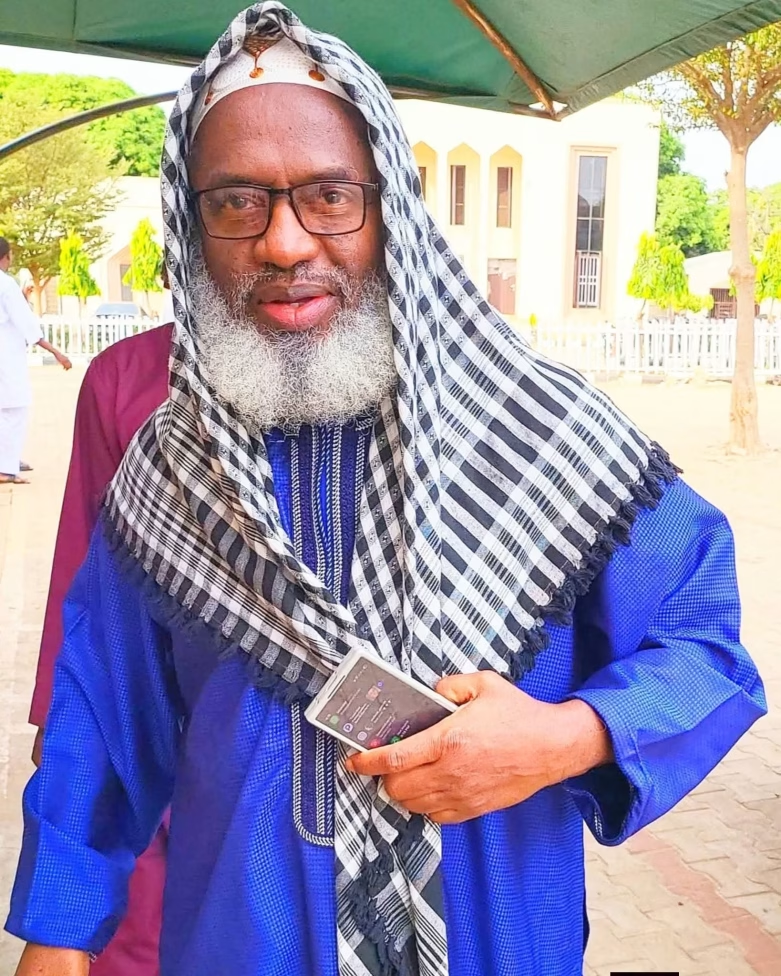

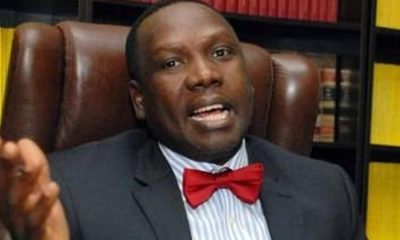
Controversial Islamic cleric, Ahmad Gumi, has claimed that Nigerian authorities already possess detailed intelligence on terrorists operating across the country, including their identities and locations.
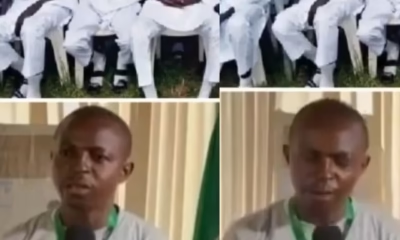
Speaking during an interview with DRTV Nigeria, Gumi said security agencies are well aware of the individuals and groups responsible for escalating insecurity but have continued to favour dialogue as part of the solution rather than relying solely on military force.
According to the Kaduna-based cleric, intelligence within government circles is sufficient to identify those fuelling violence, but authorities believe negotiations and reconciliation could help reduce bloodshed.
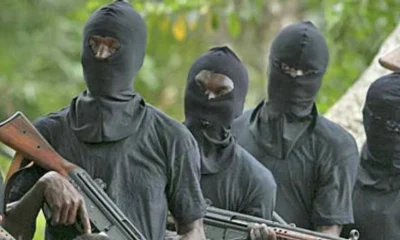
Gumi, a former army captain who has become known for engaging directly with armed groups, revealed that he has visited several bandit camps since 2021 in an effort to encourage fighters to surrender and release kidnapped victims.
He said those efforts have led to the freedom of several hostages and the surrender of more than 600 fighters who were persuaded to abandon criminal activities.
The cleric also argued that the strategy of eliminating insurgent leaders has often failed to end violence. He cited the history of the insurgent group Boko Haram, saying that killing its leaders in the past did not stop the group from reorganising and continuing attacks.
Gumi’s comments have sparked intense debate among Nigerians.
Critics accuse him of appearing sympathetic to armed groups and question why authorities would allow negotiations with bandits rather than intensifying military operations against them.
Supporters, however, say his approach has helped secure the release of captives and may provide an alternative path to peace, particularly in areas where armed groups control farmland and communities face frequent kidnappings.
As of the time of filing this report, there has been no official response from the Nigerian Armed Forces or the Presidency of Nigeria regarding Gumi’s claims.
The debate continues to highlight Nigeria’s ongoing struggle to balance military crackdowns with dialogue in addressing insurgency and banditry across the country.