
Singapore
Nigerians Eye Singapore as Country Expands Permanent Residency to 40,000 Annually


Thousands of Nigerians are increasingly turning their attention to Singapore after the government announced plans to approve up to 40,000 permanent residency (PR) applications each year. The move is expected to create new pathways for skilled professionals from Nigeria seeking long-term career growth, stability, and global exposure.
The expanded intake comes as Singapore intensifies efforts to address its ageing population and shrinking workforce, positioning itself as a top destination for foreign talent in key sectors such as technology, finance, healthcare, and engineering.
The policy shift is part of a broader strategy to tackle the country’s declining birth rate and shrinking workforce, challenges that have raised concerns about sustaining long-term economic growth in one of Asia’s most competitive economies.
Under the plan, Singapore will approve between 25,000 and 30,000 new citizens each year, building on about 25,000 citizenships granted in 2025. PR approvals are projected to rise to around 40,000 annually from 2026 to 2030, up from roughly 35,000 in 2025.

Officials say the controlled increase in both citizenship and PR intake is designed to maintain a steady pipeline of skilled talent while preserving the country’s population balance. The initiative is expected to benefit professionals from countries like Nigeria, particularly those seeking long-term career opportunities abroad.
Singapore’s PR system remains open to a wide range of applicants, including skilled workers, Employment Pass holders, entrepreneurs, investors, international students, and qualified professionals with stable incomes. Family members of citizens and existing PR holders are also eligible.
Successful applicants gain the right to live and work in Singapore without requiring separate work permits, along with access to public services and long-term residency benefits.
Sectors expected to see increased opportunities include finance, technology, healthcare, logistics, and engineering industries where skilled foreign professionals are in high demand.
The move also aligns with Singapore’s broader labour market reforms aimed at supporting its ageing population. Earlier this year, authorities extended the Part-Time Re-employment Grant until 2027, encouraging companies to retain or hire workers aged 60 and above in flexible roles.
Since its introduction, more than 7,500 employers have participated in the scheme, supporting over 65,000 older workers, with approximately S$92 million already disbursed.
The expanded PR intake signals Singapore’s continued reliance on global talent to sustain economic resilience and productivity in the years ahead.
Follow BONA NAIJA for more

Singapore’s inflation rate climbed in March, reflecting the global ripple effects of rising energy prices triggered by tensions in the Middle East.
Data released by Statistics Singapore on Thursday showed that headline inflation rose to 1.8% year-on-year, up from 1.2% in February, driven largely by higher transport and retail costs.
Core inflation which excludes accommodation and private transport — also increased to 1.7%, compared to 1.4% in the previous month, signaling broader underlying price pressures in the economy.
The most significant spike came from private transport costs, which surged 6.6% year-on-year, up sharply from 2.4% in February, as global fuel prices rose. The increase has been linked to supply disruptions following the crisis involving Strait of Hormuz, a vital route for crude oil and liquefied natural gas shipments.
Global oil benchmark Brent crude initially surged close to $120 per barrel after the disruption before stabilizing near $100, though supply concerns remain due to lingering shipping constraints.
Retail and other goods also saw faster price growth, rising 1.8% in March from 0.6% in February, driven mainly by higher costs for alcohol, tobacco, clothing, and footwear.
Meanwhile, services inflation edged up slightly to 2.1%, supported by increased costs in ride-hailing and telecommunications services.
Food inflation remained stable at 0.6%, with non-cooked food prices holding steady. In contrast, electricity and gas prices declined 4.3% year-on-year, offering some relief to households.
The data underscores how global geopolitical shocks continue to feed into domestic inflation, even in relatively stable economies like Singapore.
Follow BONA NAIJA for more

Shaibu Calls for Stronger Inter-Agency Collaboration as NIS Produces Nigeria’s First Certified Marathon Medical Director

Job Vancancy: Moniepoint Job Vacancies in Abuja and North Central Nigeria

Lookman Spotted in London Ahead of Arsenal vs Atletico UCL Showdown

2027 Bombshell: Ohanaeze Tells Peter Obi to Step Down for Tinubu

Burna Boy Splashes $100,000 on 6uff, Odumodublvck at Lagos Club Night

Nigerians Slam Moniepoint CEO Over ‘Talent Quality’ Remarks Amid Hiring Debate

Outrage as Soldier Assaults Journalist Over Traffic Dispute in Lagos

Outrage as DSS Arraigns Chidiebere Justice Mark Over Alleged Cybercrime, Military Incitement

Video: Fresh Blow to Obi–Kwankwaso Plan as Datti Questions Northern Backing ahead of 2027

PDP NEC Approves 13-Member Caretaker Committee Amid Internal Party Rift

News Flash: Court Suspends Secondus As PDP National Chairman, Member

2019 Presidency: Donald Duke’s Running Mate Quites Race Allegedly joins Atiku

Falana threaten to sue Kachikwu over $60bn oil revenue loss

#BONANAIJATV: Exclusive interview with OMPAN National President Comr Emeh James Anyalekwa #ompanowerri2018

Video : Phyno – Agu
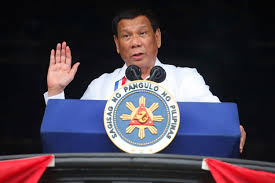
Philippines president, Rodrigo Duterte brags about the size of his manhood

Video: Burna Boy – “Dangote”

VIDEO: Becca – Magic ft. Ycee

VIDEO: Patoranking x Davido – Confirm

TV personality Zainab Balogun reveals how she met her hubby and how his kids reaction when she told them she was going to be their new mum

Video: Screening of Former Governor of Kaduna State, Elrufai

OLISAE Rolls Out Video for New Song “SAMBELE” featuring Slowdog

Video: Dino Melaye mocks Tinubu during the PDP rally In Delta

Video: Shettima & I Will Not Abuse Each Other Like Obasanjo & Atiku – Bola Tinubu

Watch Sabinus’ Comedy on Tinubu, Peter Obi, other presidential candidates

Video: Buju feat. Burna Boy – Lenu (Remix)

VIDEO: Sammie Okposo – Nobody Can

VIDEO: Falz – Bop Daddy ft. Ms Banks

Watch Diane Russet’s Short Film “Bayi”

Video: Acoustic Performance of Patoranking’s “So Nice”


-

 Jobs3 weeks ago
ECOWAS Recruitment 2026: Massive Job Openings Across West Africa (Apply Now)
-

 Jobs3 weeks ago
Germany Embassy Abuja Announces Job Vacancy
-

 Jobs3 weeks ago
EU Invites Nigerian Graduates to Apply for 2026 Funded Traineeship in Abuja
-
 Jobs3 weeks ago
Research Interviewers Job: Jhpiego Hiring Across 36 States & FCT
-
 News3 weeks ago
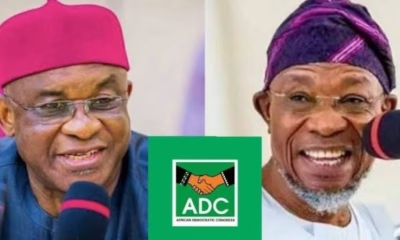
Supreme Court Dismisses David Mark’s Application, Deepening ADC Leadership Crisis Ahead of 2027 Polls
-

 Music Video2 weeks ago
Fally Ipupa & Wizkid Ignite Charts with ‘JAM’ Video from XX Album
-

 Politics2 weeks ago
2027: Obi, Kwankwaso Supporters Launch ‘OK Movement’ Ahead of ADC Presidential Primary
-

 News2 weeks ago
Captured Boko Haram Suspect Alleges Links to Senior Military Figure in Viral Interrogation Video
-

 Events3 weeks ago
Emiralty Africa to Host ‘Emiralty Connect 1.0’ Summit in Lagos
-

 Politics3 weeks ago
ADC National Convention: Security Beefed Up as 3,000 Delegates Elect New NWC