
Music News
Nigerian Artists Who Clashed With Their Record Labels After Rising to Fame


Nigeria’s music industry has produced global superstars and billion-streaming hits, but behind the glamour lies a long history of contract disputes, royalty battles and creative control struggles. Over the years, more than 20 prominent Nigerian artists have publicly fallen out with their record labels after achieving fame.
From royalty disagreements to ownership of masters and brand identity conflicts, these disputes have shaped the evolution of Afrobeats and the wider Nigerian music ecosystem.
Here’s a breakdown of some of the most notable cases.
Wizkid vs Empire Mates Entertainment (EME)
Wizkid’s rise under EME helped define a new era of Afropop. However, tensions emerged over creative independence and contract structure, leading to his exit in 2014. He later established Starboy Entertainment and expanded his global reach.


Kizz Daniel vs G-Worldwide Entertainment
One of the industry’s most publicised legal battles saw Kizz Daniel accuse his former label of restricting his freedom and withholding earnings. The dispute forced him to change his stage name from Kiss Daniel to Kizz Daniel before launching Flyboy Inc.

Runtown vs Eric Many Entertainment
Runtown faced injunctions that temporarily barred him from performing amid claims of contract breaches and financial disagreements. The conflict stalled his momentum before he eventually regained independence.
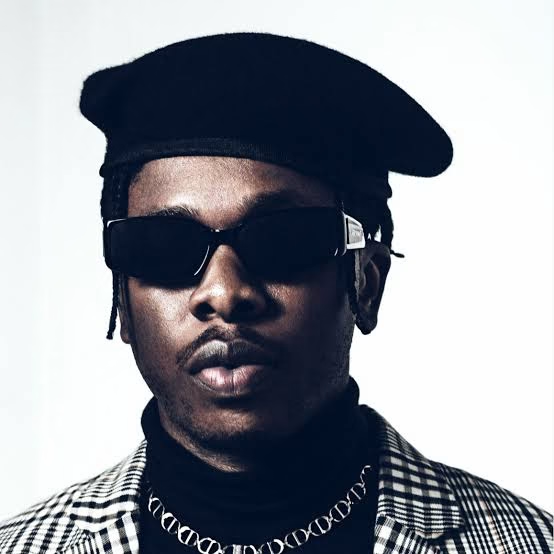
Cynthia Morgan vs Northside Entertainment
Cynthia Morgan’s fallout became a cautionary tale after she alleged losing rights to her stage name and digital platforms following contract disputes.

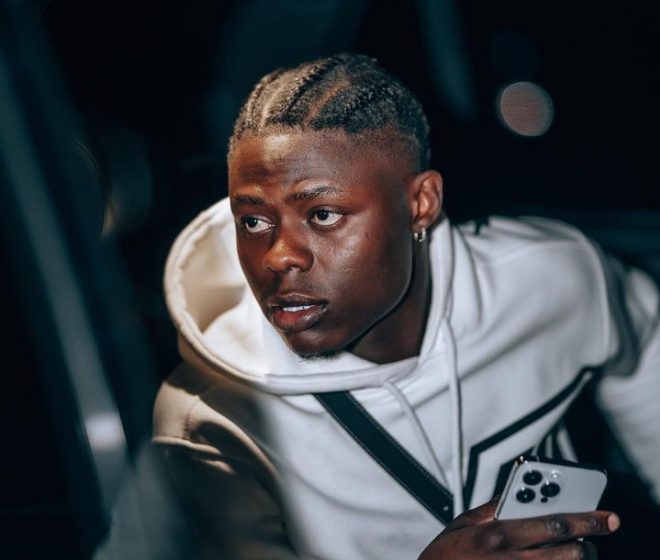
Mohbad vs Marlian Music
Mohbad publicly accused his former label of intimidation and unpaid royalties before exiting. The controversy ignited nationwide conversations about artist welfare and contract transparency.
D’Banj and the Split of Mo’ Hits Records
The breakup of Mo’Hits ended D’Banj’s long-running partnership with Don Jazzy. Reports pointed to differences in creative direction and international ambitions.

Brymo vs Chocolate City
Brymo’s exit from Chocolate City escalated into a legal battle over contract interpretation before he secured his freedom to operate independently.

Asake and YBNL Nation
Asake’s rapid global success reportedly led to contract renegotiation discussions, highlighting the complexities that arise when artists outgrow initial agreements.

Temmie Ovwasa vs YBNL
Temmie Ovwasa accused the label of sidelining her career and limiting creative output prior to her departure.

Vector vs YSG Entertainment
Vector’s split reportedly involved management and financial disagreements.

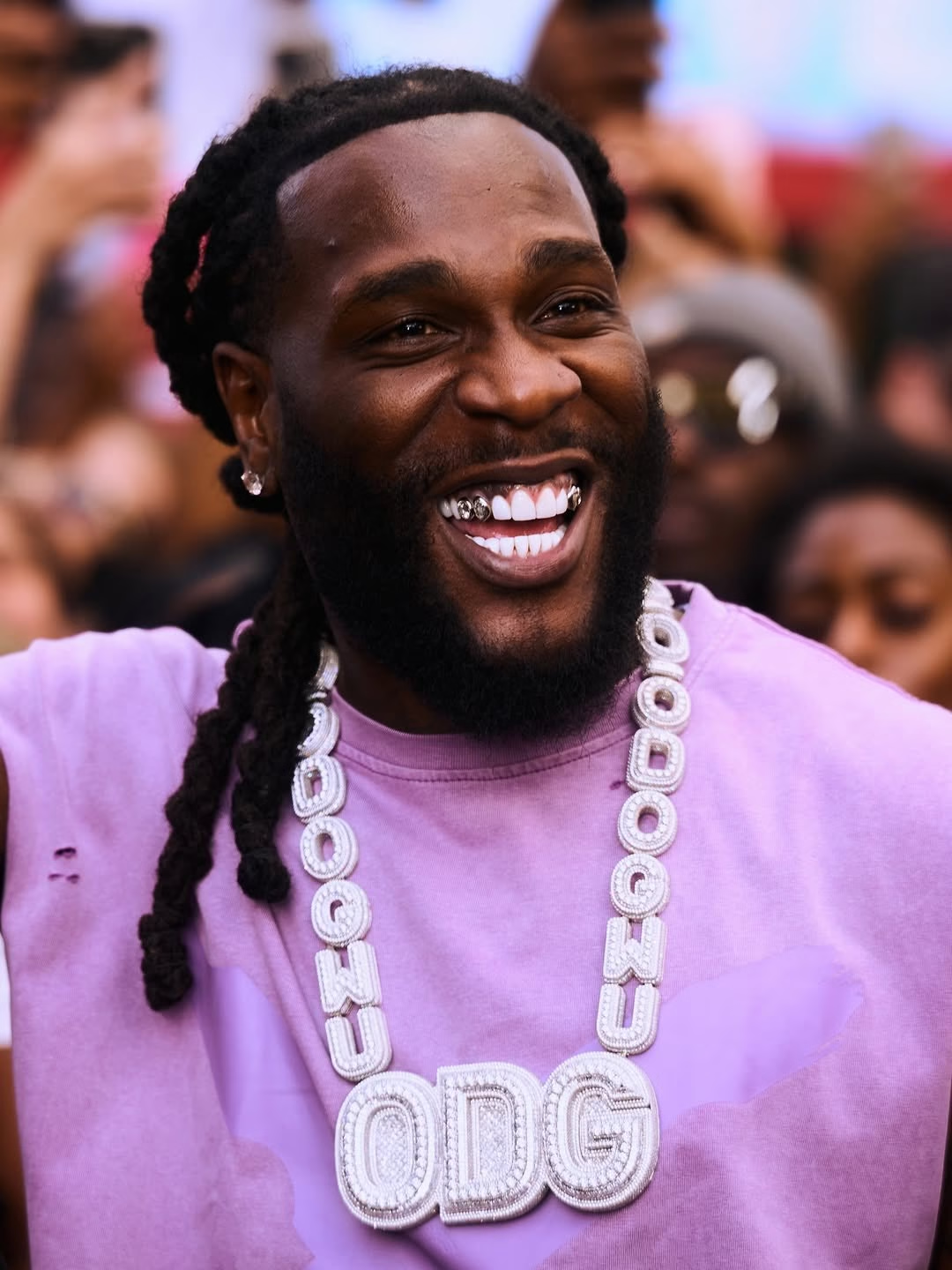
Burna Boy vs Aristokrat Records
Burna Boy experienced early career tensions before rebuilding independently and eventually becoming a Grammy-winning global star.
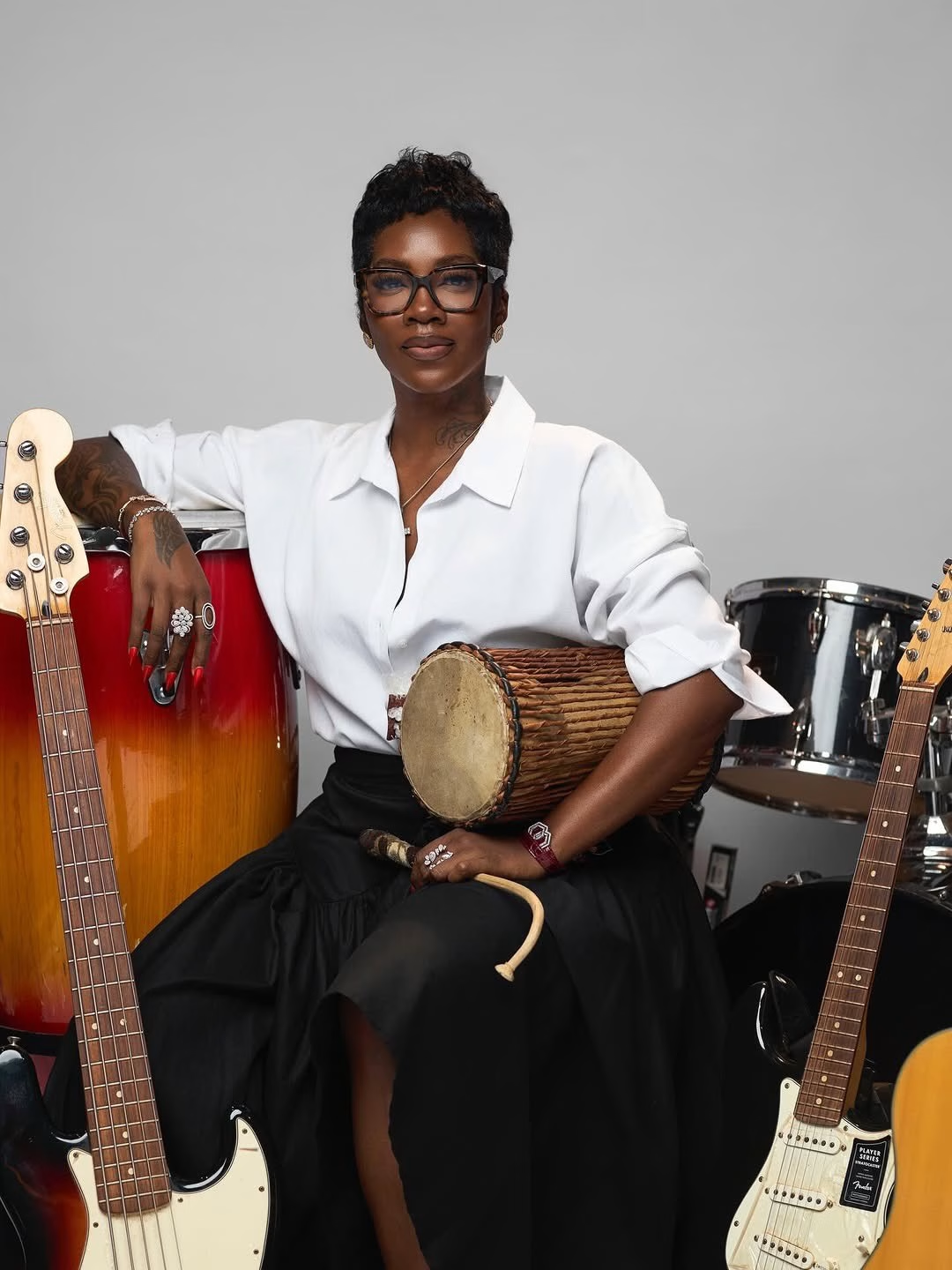
Tiwa Savage and Mavin Records
Though less confrontational, Tiwa Savage’s exit from Mavin marked a strategic shift as she pursued an international deal with Universal Music Group.
Other Notable Cases
- Patoranking (Dem Mama Records)
- Skales (Baseline Records/EME)
- Jesse Jagz (Chocolate City)
- Olamide (Coded Tunes)
- Fido
- Seyi Vibez (Dapper Music)
- Ycee (Tinny Entertainment)
- Chuddy K
A Recurring Industry Pattern
These disputes often revolve around:
- Royalty transparency
- Ownership of master recordings
- Creative control
- Exit clauses
- Management structure
As Afrobeats continues its global dominance, stakeholders increasingly stress the need for better contract literacy and fairer business practices to protect emerging artists.
While many of these artists have gone on to thrive independently, their experiences highlight ongoing structural challenges within Nigeria’s fast-growing music industry.
Follow BONA NAIJA for more







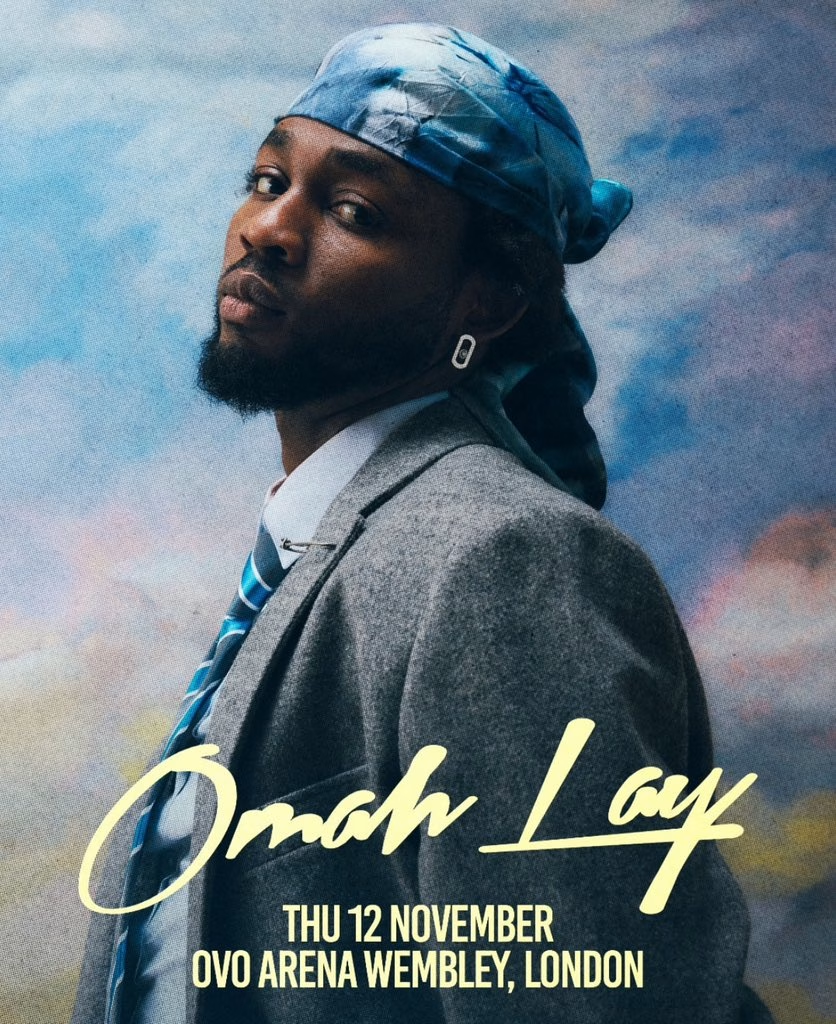
Nigerian Afrobeats sensation Omah Lay has officially unveiled his highly anticipated “Clarity of Mind World Tour,” marking a major milestone in his global career.
The tour comes on the back of his critically acclaimed second album Clarity of Mind, a project that has resonated widely for its introspective themes and Afro-fusion sound. The album made a strong impact internationally, topping Billboard U.S. Afrobeats Songs chart with multiple tracks gaining traction across streaming platforms.
As part of the European leg, Omah Lay will perform in major cities including Brussels on November 6, Berlin on November 8, and Paris on November 13. The tour will culminate in a landmark headline show at OVO Arena Wembley, a 12,500-capacity venue in London—a significant achievement for the fast-rising star.
Tickets for all dates are scheduled to go on sale May 8 at 10 a.m. local time.
Fans have taken to social media to celebrate the announcement, viewing it as yet another indication of Afrobeats’ growing global dominance. Many also pointed to fellow Nigerian artist Young Jonn, who has similarly made waves internationally, highlighting a broader movement of African artists commanding major global stages.
With the “Clarity of Mind World Tour,” Omah Lay continues to cement his position as one of Afrobeats’ most compelling voices, bringing deeply personal storytelling and genre-blending sounds to an ever-expanding international audience.
Follow BONA NAIJA for more

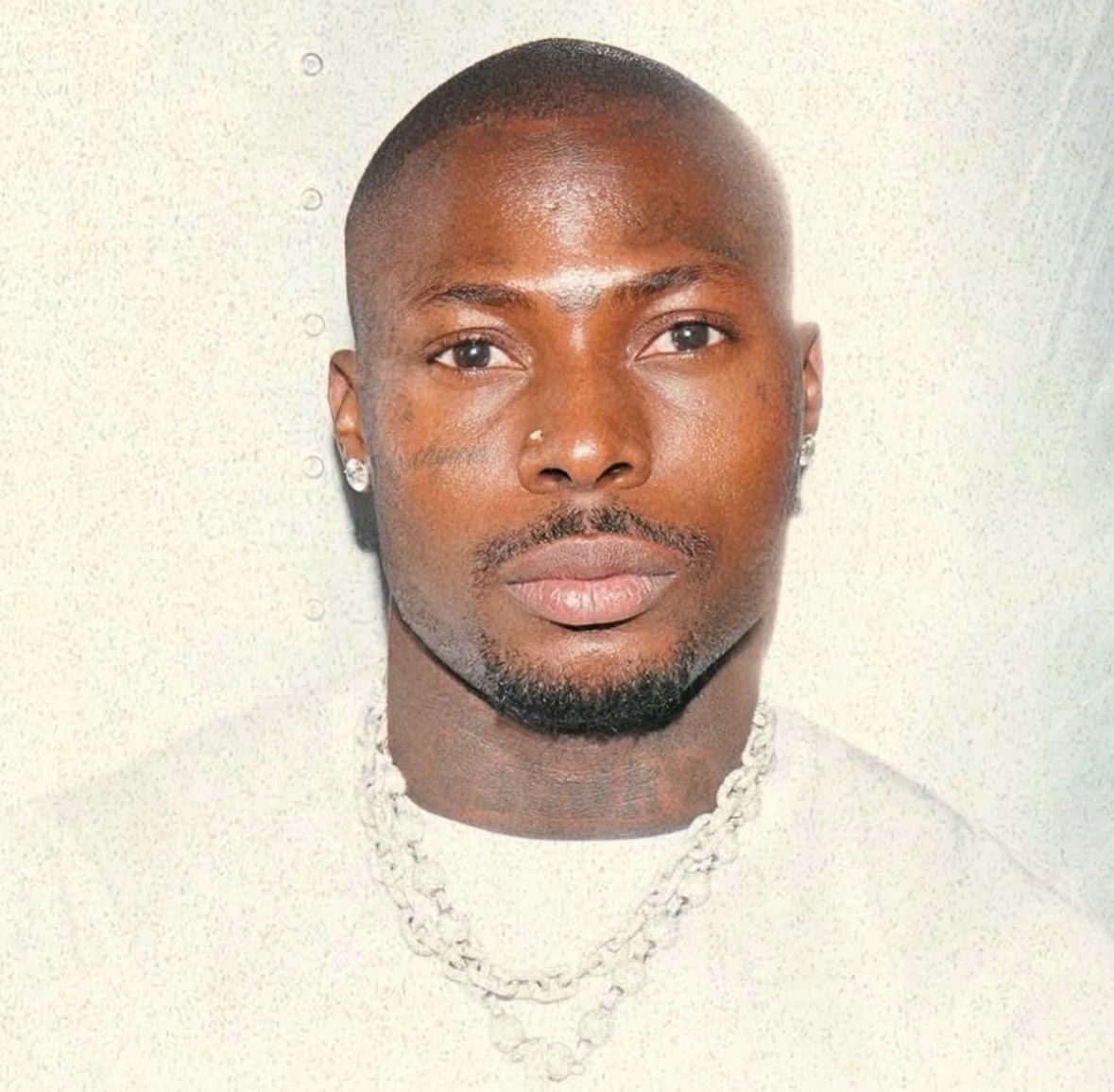
Nigerian Afrobeats star Asake has unveiled the official tracklist for his highly anticipated fourth studio album, M$NEY, set for release on Friday, May 1.
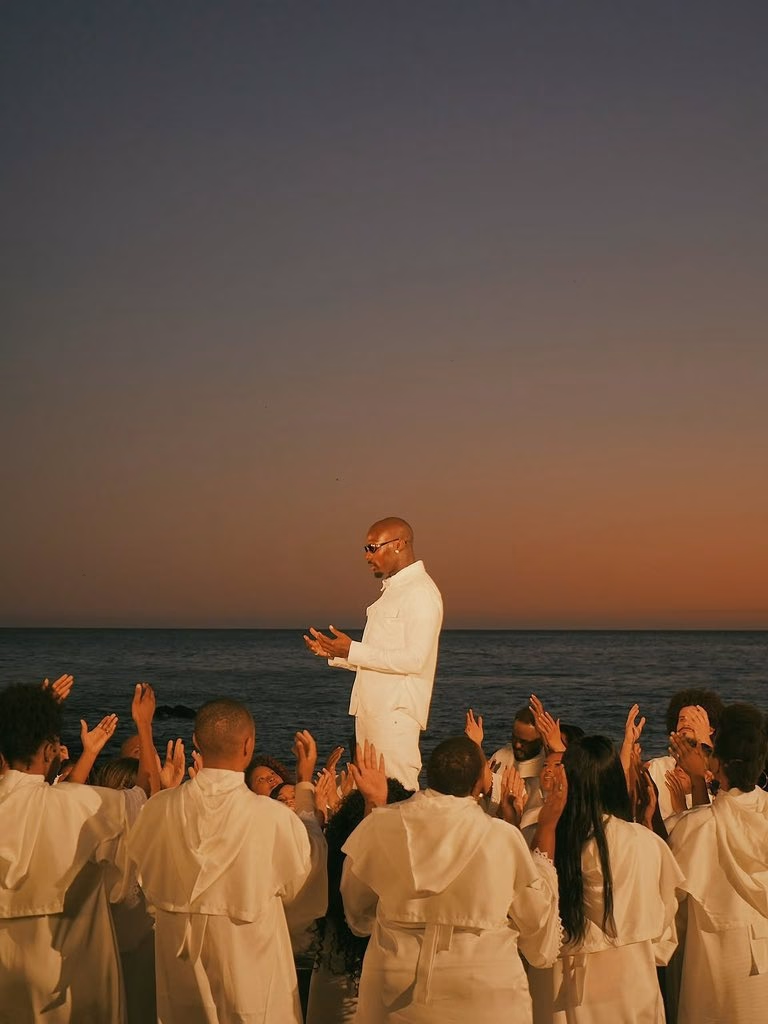
The 13-track project signals a bold international expansion for the hitmaker, featuring a diverse lineup of global collaborators. Among them is French DJ and producer DJ Snake on the track “Worship,” French-Congolese rapper Tiakola on “Badman Gangsta,” and South African amapiano heavyweight Kabza De Small on “Asambe.”
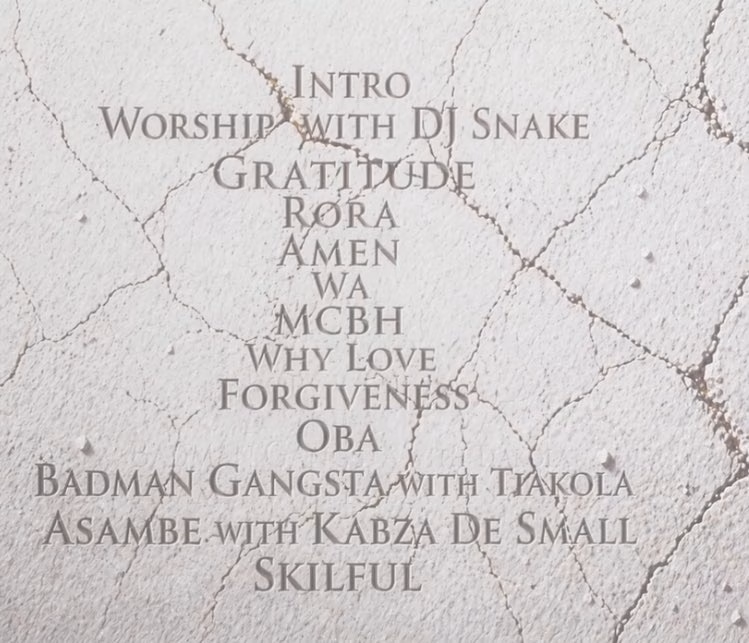
The album also includes a number of solo records that have already begun generating buzz online, including “Gratitude” and “Why Love,” with fans praising snippets circulating on social media for their emotional depth and sonic evolution.
The tracklist was shared by Asake’s longtime mentor and YBNL boss Olamide, further fueling anticipation among fans. Olamide highlighted the cross-continental collaborations as a defining element of the project, hinting at a strategic push toward global recognition.
M$NEY arrives on the back of Asake’s record-breaking run in recent years, with previous albums dominating charts and streaming platforms across Africa and beyond. Industry observers say this new project could mark a turning point in his career, positioning him firmly on the global stage.
Fans and critics alike are now counting down to the release, eager to see how Asake blends Afrobeats with international influences in what could be one of the most talked-about albums of the year.
Follow BONA NAIJA for more
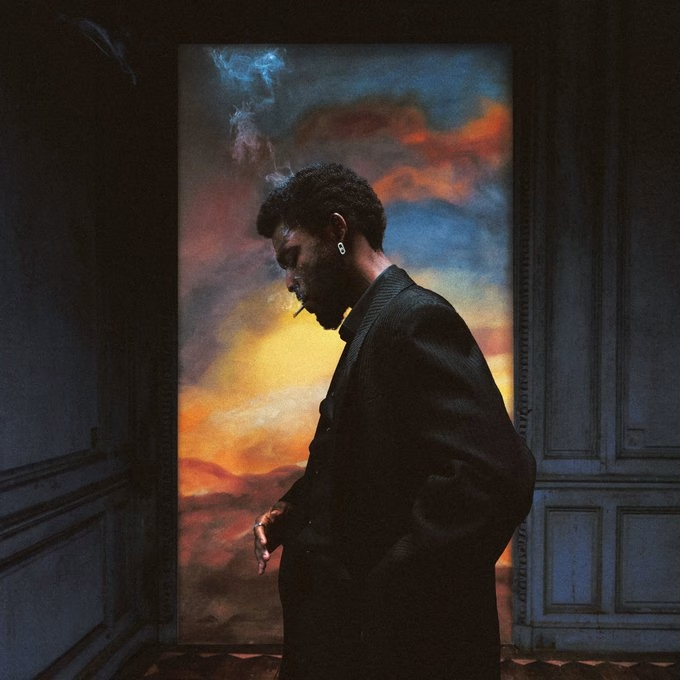
Nigerian Afrobeats star Omah Lay has surged to the top of the charts following the release of his sophomore album Clarity of Mind, which debuted at No. 1 on Apple Music Nigeria’s Top Albums chart just hours after its release on April 3.
The 12-track project marks a significant artistic evolution from his 2022 debut Boy Alone, as Omah Lay delves into themes of healing, self-reflection, and spiritual growth. The album features a lone guest appearance from rising act ELMAH and includes standout tracks such as “Jah Jah Knows” and “Don’t Love Me.”
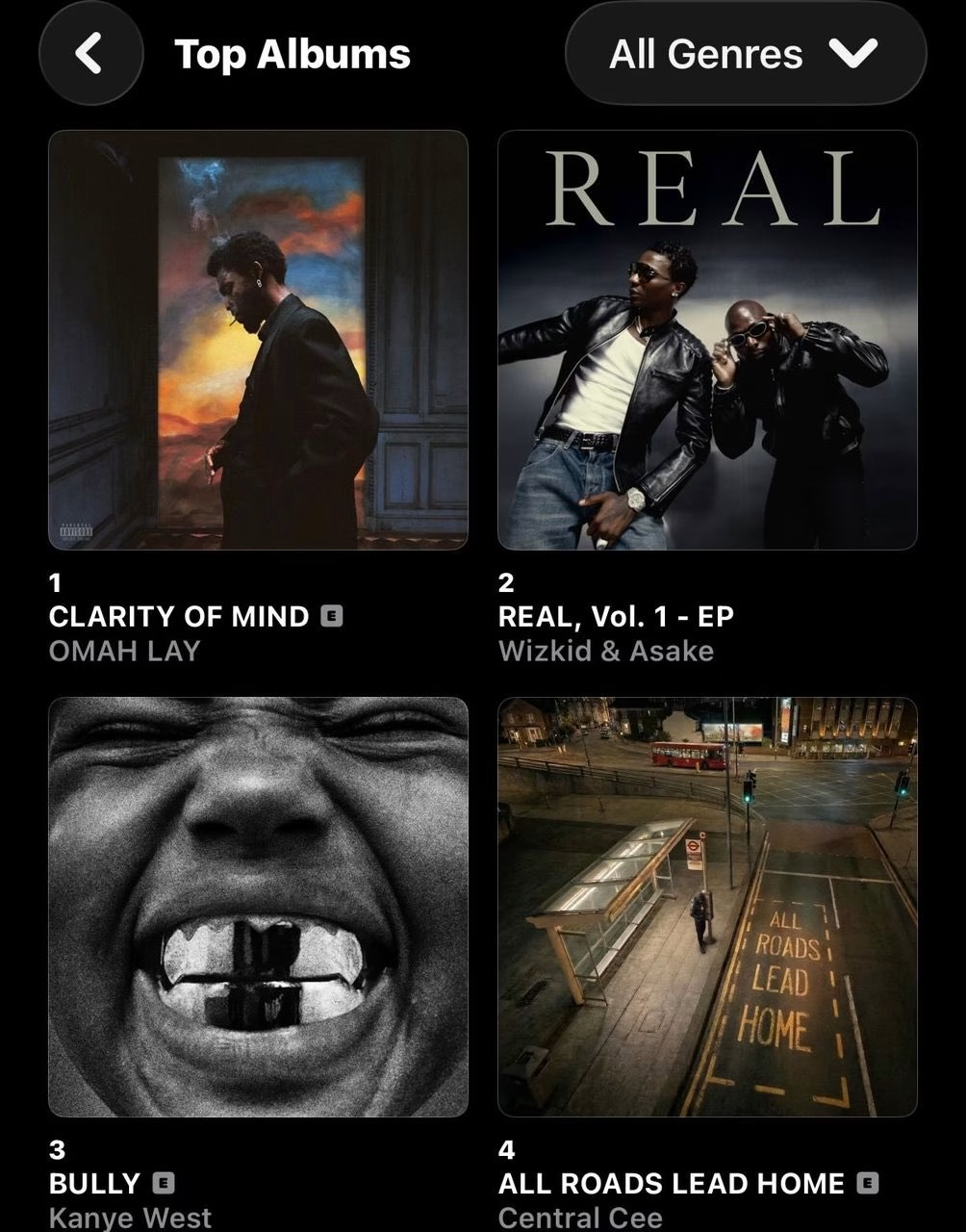
Ahead of the album’s release, pre-launch singles had already amassed an impressive 227 million streams on Spotify, building momentum that translated into strong first-day performance across digital platforms.
Speaking on the project’s impact, Omah Lay described Clarity of Mind as “THE GREATEST 🕊️,” reflecting both confidence in the body of work and the overwhelming reception from fans and fellow artists. Among those showing support is American rapper Swae Lee, further highlighting the album’s global appeal.
The release comes at a time when conversations around Afrobeats’ global momentum have intensified, with Omah Lay positioning the album as a response to claims of a slowdown in international reach. With its introspective tone and strong streaming debut, Clarity of Mind appears poised to reinforce the genre’s continued influence on the global stage.
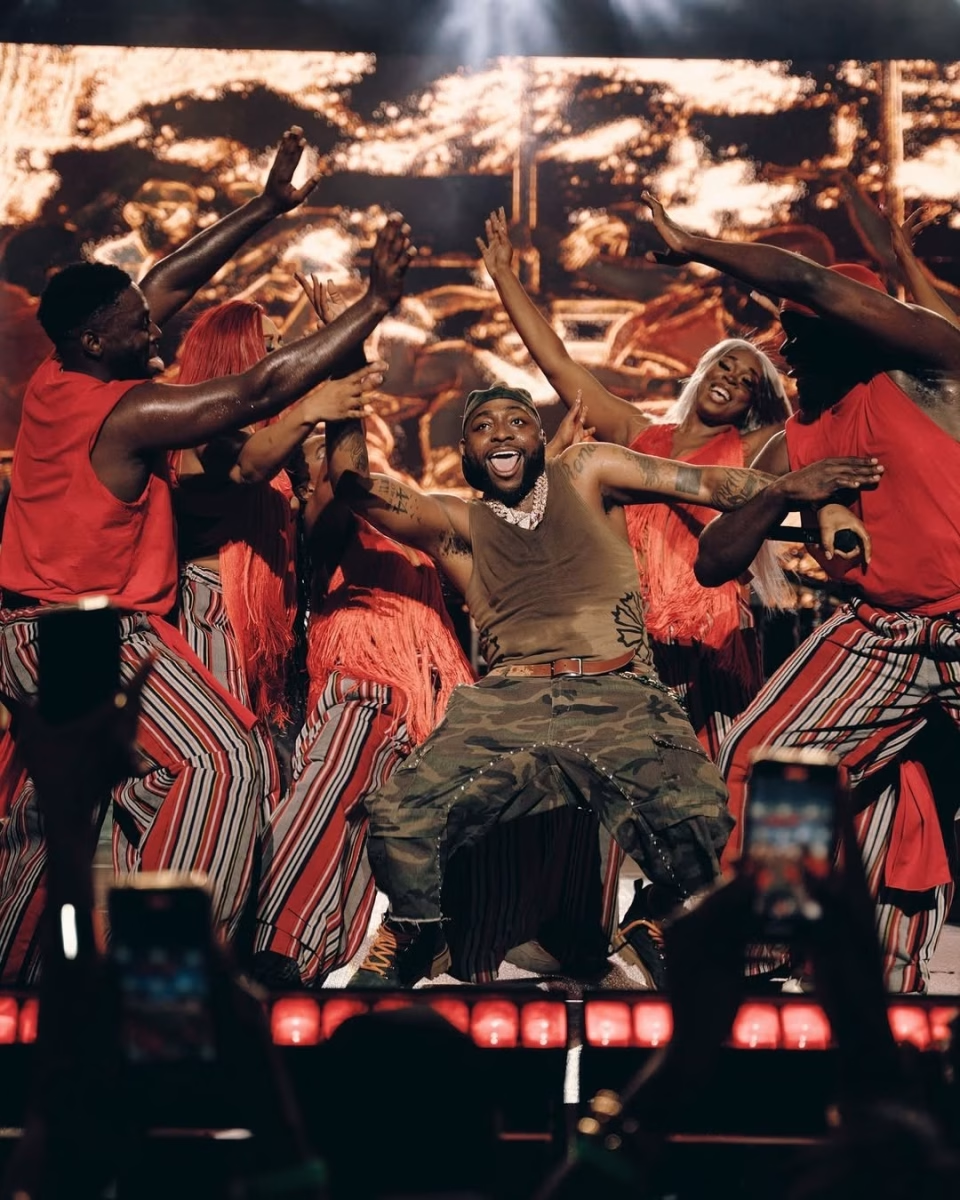
Nigerian Afrobeats superstar Davido has officially launched the European leg of his highly anticipated 5ive Alive World Tour with a sold-out performance in Vienna, Austria.
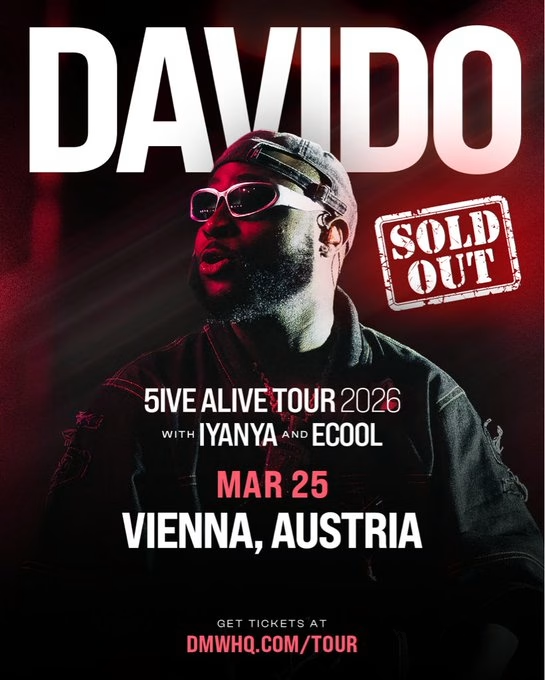
The opening show took place at the 4,200-capacity Planet.tt Bank Austria Halle im Gasometer, which was filled to capacity as fans turned out in large numbers. Massive queues were seen stretching outside the venue under the Vienna night lights, reflecting the growing global appeal of Afrobeats and Davido’s enduring star power.
The momentum behind the tour has been boosted by Davido’s latest album, 5IVE, which recently topped Austria’s Apple Music R&B chart. Amid the tour excitement, the album also re-entered the chart at No. 40, signaling sustained international interest.
The Vienna concert featured electrifying performances and surprise appearances from fellow Nigerian artists, including Iyanya and Ecool, who added to the night’s high-energy atmosphere.
The European tour follows a series of sold-out stadium shows across Nigeria and the United States, further cementing Davido’s position as one of Africa’s leading global music exports.
After Vienna, the seven-city European run will continue with scheduled stops in major cities including Zurich, Rotterdam, Brussels, Stockholm, Copenhagen, and Barcelona.
With strong ticket sales and international chart success, the 5ive Alive World Tour is shaping up to be another landmark moment in Davido’s already illustrious career.
Follow BONA NAIJA for more
Omah Lay, Nigeria’s Afrobeats sensation, has set the stage for his highly anticipated sophomore album, Clarity of Mind, with a striking 50-second trailer released on Instagram and X. The black-and-white clip, part of the Warehouse Spirit Session series, captures the singer moving fluidly through smoke-filled scenes with a stylish crowd, creating a cinematic glimpse into his latest musical chapter.
The trailer teases Clarity of Mind, dropping April 3, featuring 12 tracks that explore themes of healing, introspection, and self-discovery. Standout singles like “Don’t Love Me” and “Holy Ghost” promise fans a journey through Omah Lay’s evolving sound and artistry.
Fans have hailed the rollout as one of Afrobeats’ most compelling in recent memory, surpassing the buzz surrounding his 2022 debut, Boy Alone. Highlights of the campaign include exclusive Berlin listening parties and a viral Chinese cover of his hit “Soso,” cementing his growing international influence.
Clarity of Mind is expected to solidify Omah Lay’s status as one of Afrobeats’ most innovative voices, combining emotional depth with global appeal.
Release Date: April 3, 2026
Lead Singles: Don’t Love Me, Holy Ghost
Genre: Afrobeats
Album Length: 12 tracks
Follow BONA NAIJA for more

Shaibu Calls for Stronger Inter-Agency Collaboration as NIS Produces Nigeria’s First Certified Marathon Medical Director

Job Vancancy: Moniepoint Job Vacancies in Abuja and North Central Nigeria

Lookman Spotted in London Ahead of Arsenal vs Atletico UCL Showdown

2027 Bombshell: Ohanaeze Tells Peter Obi to Step Down for Tinubu

Burna Boy Splashes $100,000 on 6uff, Odumodublvck at Lagos Club Night

Nigerians Slam Moniepoint CEO Over ‘Talent Quality’ Remarks Amid Hiring Debate

Outrage as Soldier Assaults Journalist Over Traffic Dispute in Lagos

Outrage as DSS Arraigns Chidiebere Justice Mark Over Alleged Cybercrime, Military Incitement

Video: Fresh Blow to Obi–Kwankwaso Plan as Datti Questions Northern Backing ahead of 2027

PDP NEC Approves 13-Member Caretaker Committee Amid Internal Party Rift

News Flash: Court Suspends Secondus As PDP National Chairman, Member

2019 Presidency: Donald Duke’s Running Mate Quites Race Allegedly joins Atiku

Falana threaten to sue Kachikwu over $60bn oil revenue loss

#BONANAIJATV: Exclusive interview with OMPAN National President Comr Emeh James Anyalekwa #ompanowerri2018

Video : Phyno – Agu
Philippines president, Rodrigo Duterte brags about the size of his manhood

Video: Burna Boy – “Dangote”

VIDEO: Becca – Magic ft. Ycee

VIDEO: Patoranking x Davido – Confirm

TV personality Zainab Balogun reveals how she met her hubby and how his kids reaction when she told them she was going to be their new mum

Video: Screening of Former Governor of Kaduna State, Elrufai

OLISAE Rolls Out Video for New Song “SAMBELE” featuring Slowdog

Video: Dino Melaye mocks Tinubu during the PDP rally In Delta

Video: Shettima & I Will Not Abuse Each Other Like Obasanjo & Atiku – Bola Tinubu

Watch Sabinus’ Comedy on Tinubu, Peter Obi, other presidential candidates

Video: Buju feat. Burna Boy – Lenu (Remix)

VIDEO: Sammie Okposo – Nobody Can

VIDEO: Falz – Bop Daddy ft. Ms Banks

Watch Diane Russet’s Short Film “Bayi”

Video: Acoustic Performance of Patoranking’s “So Nice”


-

 Jobs3 weeks ago
ECOWAS Recruitment 2026: Massive Job Openings Across West Africa (Apply Now)
-
 Jobs3 weeks ago
Germany Embassy Abuja Announces Job Vacancy
-

 Jobs3 weeks ago
EU Invites Nigerian Graduates to Apply for 2026 Funded Traineeship in Abuja
-
 Jobs3 weeks ago
Research Interviewers Job: Jhpiego Hiring Across 36 States & FCT
-
 News3 weeks ago
Supreme Court Dismisses David Mark’s Application, Deepening ADC Leadership Crisis Ahead of 2027 Polls
-
 Music Video2 weeks ago
Fally Ipupa & Wizkid Ignite Charts with ‘JAM’ Video from XX Album
-
 Politics2 weeks ago
2027: Obi, Kwankwaso Supporters Launch ‘OK Movement’ Ahead of ADC Presidential Primary
-

 News2 weeks ago
Captured Boko Haram Suspect Alleges Links to Senior Military Figure in Viral Interrogation Video
-

 Events3 weeks ago
Emiralty Africa to Host ‘Emiralty Connect 1.0’ Summit in Lagos
-
 Politics3 weeks ago
ADC National Convention: Security Beefed Up as 3,000 Delegates Elect New NWC