
News
NIGERIA MUST OPERATE EFFICIENT TAX ADMINISTRATION TO BOOST REVENUE, SAYS PRESIDENT BUHARI

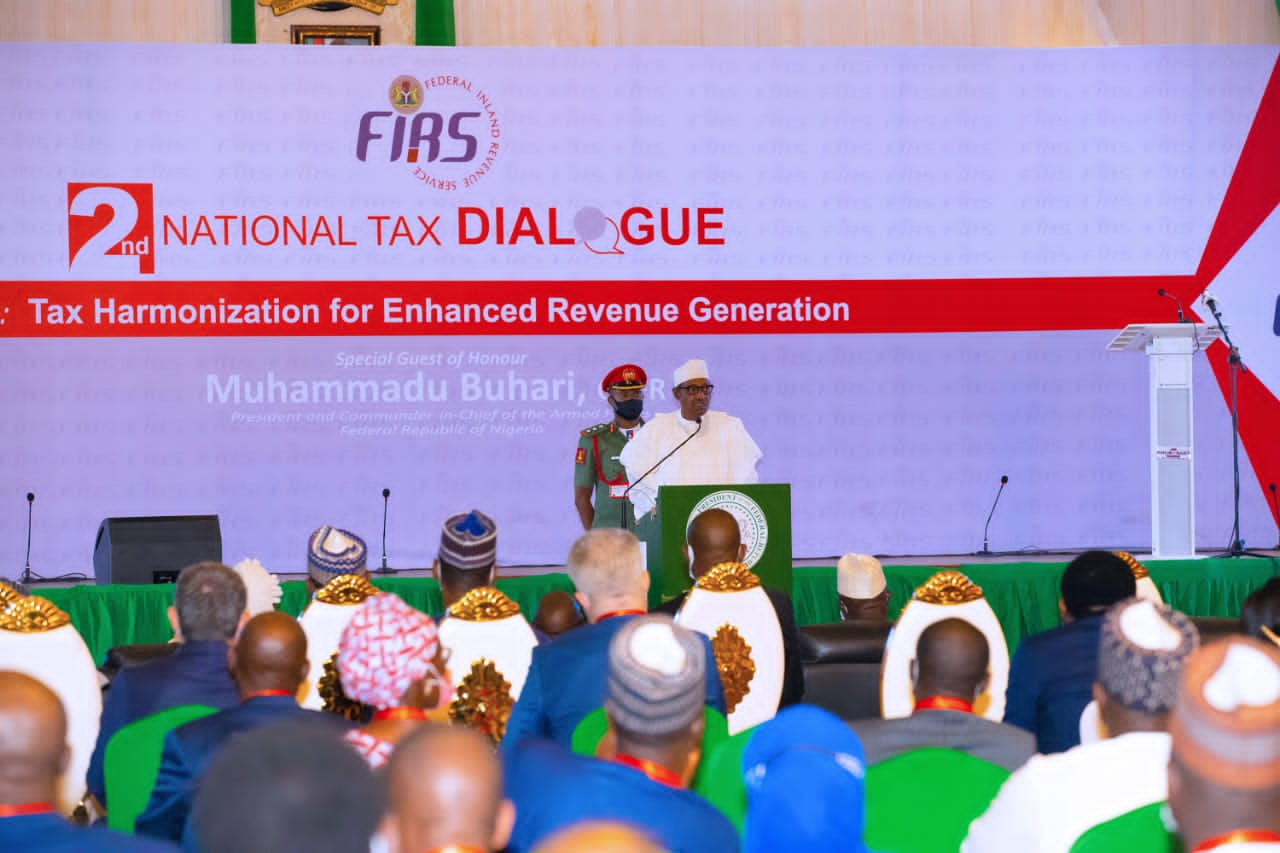
President Muhammadu Buhari on Tuesday in Abuja expressed his administration’s commitment to an efficient tax administration in order to improve tax revenue in the country.
Declaring open the second National Tax Dialogue Week, the President expressed concern at the current tax system in the country, characterised by fragmented administration, multiple and sometimes, overlapping taxes.
”In most tax-efficient nations, tax administrative processes and practices are harmonised within a single system.
”One key deliverable of this year’s tax dialogue is to promote synergy in tax administration among the different tiers of government.

”Harmonising taxpayer identification across the country is a good start; but we must do more to promote ease of doing business (including ease of tax compliance) in Nigeria.
”On our part, we have started by clarifying in the 2021 Finance Act that FIRS is the sole authority to administer tax for the Federal Government.
”This clarification became necessary in order to avoid taxpayers being burdened with multiple tax compliance obligations towards different agencies of the same government.
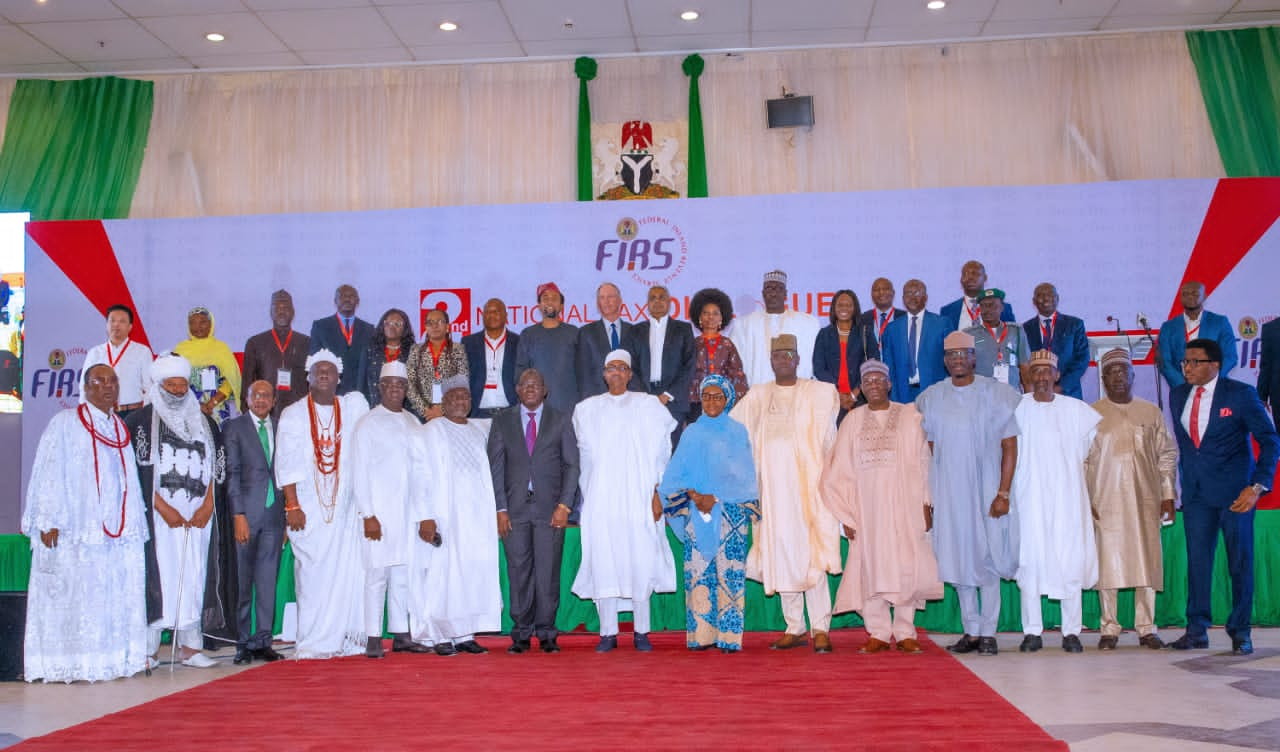
”Multiplicity of tax administration is as undesirable as multiplicity of taxes; it creates uncertainty and instability; and above all, it is inefficient,” the President said at the Dialogue themed ”Tax Harmonisation for Enhanced Revenue Generation.’’
In the face of dwindling revenues from commodities, President Buhari told participants at the Tax Dialogue that there is an urgent need to maximise domestic revenue within the extant tax policy and laws.
He, therefore, proposed improved tax revenue for the country which will not necessarily impose new tax rates on Nigerians.
”We all know that good intentions are not enough as they simply cannot pay for infrastructure, security or social amenities. We must therefore improve tax revenue without necessarily raising new taxes.
”Revenue from commodities, including crude oil, are too volatile and unreliable. Therefore, I pledge government’s support for any viable initiative for improving tax revenue that should emanate from this dialogue,’’ he said.
On Nigeria’s Tax-to-GDP ratio, the President declared that the country also needs to do more in securing a buoyant domestic revenue base of the country that bequeaths an enduring economic foundation, political stability and social harmony to the next generation.
”According to the Organisation of Economic Cooperation and Development (OECD), in its Revenue Statistics in Africa 2021, the average ratio of Tax-to-GDP of 30 selected African countries in 2019 was 16.6% while Nigeria recorded a mere 6.0%.
”It is obvious that much needs to be done in the area of tax revenue mobilisation.
”It is my expectation that the discussions at this 2022 National Tax Dialogue will be focused on what we must do to maximise legitimate revenue collection and massively improve the Tax-to-GDP ratio. ”
On the importance of the Tax Dialogue, which was instituted by the Minister of Finance, Budget and National Planning, and the Executive Chairman, Federal Inland Revenue Service (FIRS), President Buhari noted that the first edition in 2021 was very productive and integral in influencing tax policy, as well as legislative and administrative changes that were introduced last year.
He added that the most important testament to the success of the first edition is the fact that the FIRS achieved 100% of its collection target in 2021 and surpassed N6 trillion revenue threshold for the very first time.
Congratulating FIRS on the achievement, the President assured Nigerians that the present administration would continue ”to maintain prudent management of our collective resources.”
In her remarks, the Minister of Finance, Budget and National Planning, Zainab Ahmed said the dialogue was designed to engage stakeholders in the Nigerian tax-space in meaningful discourse so as to glean information, ideas and experience in the aid of policy formulation and improved tax environment.
According to the minister, the main tax revenue objectives of the Federal Government include developing an economy that does not lean too heavily on resource wealth.
She explained that Nigeria’s economic history provides enough facts that resource wealth alone cannot lead to sustainable development, self-sufficiency and sustainable.
The other tax revenue objectives are:
”To institutionalise a healthy tax culture among Nigerians. The right attitude towards taxation will enable every Nigerian to become a co-guardian of the tax system and the commonwealth.
”To create a participatory system of taxation whereby the taxpayers and other stakeholders understand and accept that they have equal stakes in the tax system.”
The Chairman FIRS, Muhammad Nani, thanked the President for his directive to government agencies to enable FIRS connect to their ICT systems; noting that this singular pronouncement softened the grounds for the Service to roll-out its system for seamless acquisition of data.
”We are confident that by the time all the agencies achieve 100% compliance with the President’s directive, Nigeria shall be the envy of other countries for tax compliance and domestic tax revenue mobilization,” he said.
On the remittances of the Service to the Federation Account, the FIRS Chairman announced that h statistics from March 2022 Federation Account Allocation Committee (FAAC) meeting show that out of a total revenue of N803.072 billion from all revenue agencies, tax revenue contributed by FIRS was N513.522 billion (63.94%) while non-tax revenue from all other agencies amounted to N289.55 billion (36.06%).
The Chairman noted that that the average tax or FIRS contribution to FAAC in 2021 was 59.45%.
”I mentioned in my welcome address to the 2021 edition of the Tax Dialogue that the world had begun a tax race of which Nigeria must be a winner.
”The revenue profile of the country in 2021 has clearly shown that our continued survival as a nation depends on tax revenue.
”This trend is set to continue for some time to come. As such, all hands must be on deck to support the tax system and make it function efficiently.
”However, it is surprising that some people have begun to play politics with tax revenue generation.
”We humbly invite the President to step-in to dissuade political tax gladiators to sheath their swords. Tax revenue is an inherently apolitical issue; it should be treated as such by all, irrespective of their political leaning, ” he said.
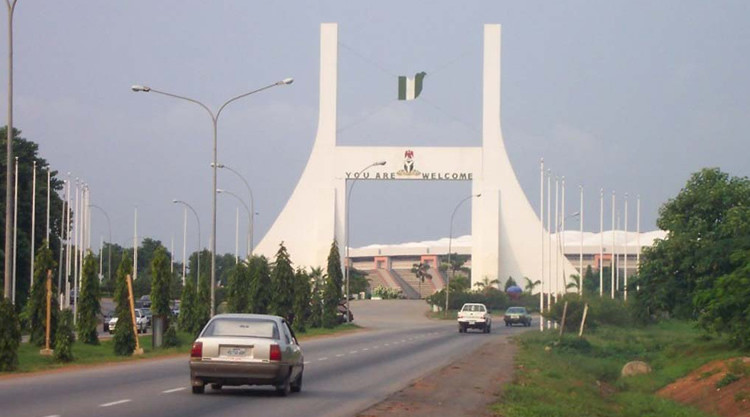
A luxury Mercedes-Benz G-Class G63 AMG was involved in a late-night crash on a major highway in Abuja, killing six cows and sparking renewed concerns over road safety and enforcement of grazing laws in the Federal Capital Territory.
The incident occurred around 8 p.m. on Monday,
according to eyewitness accounts, when the high-speed SUV collided with a herd of cows that had reportedly strayed onto the roadway. A video circulating on social media shows the aftermath, with the white cows lying across the dark highway as traffic officials worked to manage the situation.
As of the time of filing this report, there were no confirmed injuries to the driver or any passengers in the vehicle. Unverified reports on social media suggested that the SUV sustained only minor damage despite the severity of the collision.
The accident has reignited debates over the continued presence of cattle on major roads in Abuja, despite the 2017 ban on open grazing introduced by the Federal Capital Territory Administration. The policy was designed to curb frequent clashes between herders and communities, as well as prevent traffic disruptions and accidents caused by roaming livestock.
Residents and road users have repeatedly raised concerns about the enforcement of the grazing ban, noting that cows are still often seen along highways and within urban areas of the capital. Monday night’s crash is the latest in a series of such incidents, highlighting ongoing gaps in regulation and compliance.
Authorities are yet to release an official statement on the crash or confirm whether any action will be taken regarding the presence of the cattle on the highway.
WATCH VIDEO
Follow BONA NAIJA for more

Leading Nigerian fintech company Moniepoint has announced six new job openings across Abuja and several states in the North Central region, expanding its workforce in compliance, technical operations, sales, and security management.
The vacancies cut across multiple departments, reflecting the company’s continued growth in agent banking, SME solutions, and digital financial infrastructure services.
Available Positions
Field Risk & Internal Control Officer (North Central)
- Team: Compliance
- Location: FCT, Nigeria
The role focuses on monitoring operational risks, enforcing internal control standards, and ensuring compliance across field operations in the region.
Apply Here
Hardware Engineer
- Team: Advanced Technical Operations
- Location: FCT, Nigeria
Successful candidates will handle hardware installation, maintenance, troubleshooting, and technical support for field operations.
Apply Here
Implementation Officer (North Central)
- Team: Moniebook Business Management Tools
- Locations: Benue, Plateau, FCT
This role involves onboarding merchants and ensuring smooth deployment of Moniepoint’s business tools across assigned regions.
Apply Here
Inbound Sales Officer (Abuja)
- Team: Moniebook Business Management Tools
- Location: FCT, Nigeria
The position focuses on handling inbound customer inquiries, converting leads, and supporting sales growth for Moniepoint business solutions.
Apply Here
Regional Lead, Corporate Security (North)
- Team: Moniepoint MFB
- Locations: FCT, Kano
The role oversees corporate security operations, risk prevention strategies, and protection of company assets across northern Nigeria.
Apply Here
Regional Lead, Field Risk & Internal Control (North)
- Team: Compliance
- Location: FCT, Nigeria
This leadership position is responsible for coordinating regional risk management teams and strengthening internal control systems.
Apply Here
The hiring drive comes as fintech companies in Nigeria continue to expand their physical and digital operations across underserved regions, particularly in agent banking and SME support services.
Moniepoint, one of the fastest-growing fintech firms in the country, has steadily increased recruitment in technical, compliance, and field operations roles over the past year.
With these openings, Moniepoint is strengthening its presence in Abuja and northern Nigeria while scaling its financial services infrastructure across the country.
Follow BONA NAIJA for more

Comments by Tosin Eniolorunda, CEO of Moniepoint, have sparked a heated debate online after he questioned the quality of Nigeria’s talent pool while discussing his company’s hiring challenges.
Speaking at the The Platform Nigeria on May 1, Eniolorunda said the fintech firm had advertised over 500 vacancies since 2024 but struggled to find qualified local candidates. He revealed that by 2025, the company reversed its local-only hiring policy due to the shortage.
“I used to feel Nigerians are really bright… but we are still struggling to find Nigerians to fill those roles. They don’t meet global standards,” he said, attributing the gap to factors such as social media distractions, cybercrime, hookup culture, and weaknesses in the education system.
Backlash and Counterarguments
His remarks triggered swift backlash from Nigerians, particularly within the tech community, with many accusing local companies of failing to invest in talent development.
Critics argued that unlike global firms, Nigerian tech companies rarely offer structured, paid internship programs or training pipelines to groom young professionals. Some pointed to examples of international companies like Oracle Corporation, where internships and early talent programs serve as entry points into full-time roles.
Others shared personal experiences of being rejected by local firms despite strong resumes, while noting that Nigerian professionals continue to secure roles in global companies such as Amazon.
A recurring sentiment online was that many Nigerian companies demand “global-standard talent” but are unwilling to offer competitive compensation or career development opportunities.
Industry Perspective
Supporters of Eniolorunda’s stance, however, pointed to the realities of scaling a fast-growing fintech company in a competitive global market. They cited brain drain, limited specialized skills, and increasing demand for top-tier expertise as genuine challenges facing Nigerian startups.
Analysts say the controversy highlights a broader issue within Nigeria’s tech ecosystem balancing expectations between employers and job seekers, while addressing gaps in education, training, and remuneration.
The debate mirrors ongoing tensions around talent development, compensation, and hiring practices in Nigeria’s fast-evolving tech sector.
As companies expand and compete globally, the question of how to build, retain, and fairly reward talent is likely to remain a central issue.
i
Follow BONA NAIJA for more

A Nigerian soldier has allegedly assaulted a journalist, Fakoyejo Olalekan, during a traffic control operation in Lagos State, triggering widespread public condemnation after video footage of the incident surfaced online.
The clash occurred on May 2 near Pleasant Event Centre in Ikeja, where personnel of the Nigerian Army were reportedly directing heavy traffic.
According to eyewitness accounts, the altercation began after Fakoyejo remarked to passengers that a soldier’s handling of a motorcyclist had caused an unnecessary delay. The comment allegedly angered one of the soldiers, who ordered everyone out of the vehicle.
The situation escalated when the soldier reportedly slapped and shoved the journalist, and briefly reached for a piece of wood before bystanders intervened to prevent further escalation.
Video clips circulating on social media show at least two soldiers involved in the confrontation. During the incident, Fakoyejo’s phone screen was also seen shattered on the pavement. No serious injuries were reported.
The footage has since triggered widespread criticism online, with many users calling for accountability and questioning the conduct of military personnel during civilian traffic enforcement duties.
As of May 4, the Nigerian Army had yet to issue an official response despite being tagged in multiple public complaints and posts about the incident.
Follow BONA NAIJA for more


The Department of State Services (DSS) on Monday arraigned Chidiebere Justice Mark, popularly known as Justice Crack, before the Federal High Court sitting in Abuja on a three-count charge bordering on cybercrime and alleged incitement against the military.
Mark was earlier arrested by the Nigerian Army over a viral video and accompanying statements he shared via his X (formerly Twitter) handle, @JusticeCrack, in which he reportedly alleged inadequate feeding of Nigerian soldiers.
According to the charge sheet, the defendant is accused of knowingly circulating false information intended to provoke public annoyance, ill will, and hatred among citizens.
Details of Charges
Count One alleges that on April 28, 2026, Mark disseminated information on social media regarding poor feeding conditions of Nigerian Army personnel, which authorities claim he knew to be false. The offence is said to contravene Section 24(1)(b) of the Cybercrimes (Prohibition, Prevention, etc.) Act, 2015 (as amended).
Count Two states that the accused published a viral video and statements about the Nigerian Army that triggered widespread negative reactions and were likely to cause fear and a breach of peace. This charge is brought under Section 59 of the Criminal Code Act.
Count Three accuses Mark of attempting to commit a felony by circulating what authorities described as derogatory content about the Army, also linked to potential public unrest, punishable under Section 509 of the Criminal Code Act.
Court Proceedings
Presiding judge, Joyce Abdulmalik, adjourned the case to May 25, 2026, for trial and possible hearing of a bail application. The court also ordered that the defendant be remanded in DSS custody pending further proceedings.
Public Reaction
The arraignment has sparked widespread reactions across social media, with civil rights advocates and concerned citizens debating issues around freedom of expression, national security, and the limits of online speech in Nigeria.
Follow BONA NAIJA for more

Mercedes G63 Kills Six Cows in Abuja Highway Crash

Saka Sends Arsenal to First Champions League Final Since 2006

Shaibu Calls for Stronger Inter-Agency Collaboration as NIS Produces Nigeria’s First Certified Marathon Medical Director

Job Vancancy: Moniepoint Job Vacancies in Abuja and North Central Nigeria

Lookman Spotted in London Ahead of Arsenal vs Atletico UCL Showdown

2027 Bombshell: Ohanaeze Tells Peter Obi to Step Down for Tinubu

Burna Boy Splashes $100,000 on 6uff, Odumodublvck at Lagos Club Night

Nigerians Slam Moniepoint CEO Over ‘Talent Quality’ Remarks Amid Hiring Debate

Outrage as Soldier Assaults Journalist Over Traffic Dispute in Lagos

Outrage as DSS Arraigns Chidiebere Justice Mark Over Alleged Cybercrime, Military Incitement

News Flash: Court Suspends Secondus As PDP National Chairman, Member

2019 Presidency: Donald Duke’s Running Mate Quites Race Allegedly joins Atiku

Falana threaten to sue Kachikwu over $60bn oil revenue loss

#BONANAIJATV: Exclusive interview with OMPAN National President Comr Emeh James Anyalekwa #ompanowerri2018

Video : Phyno – Agu
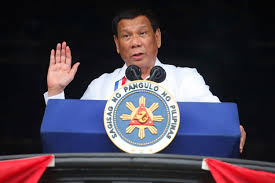
Philippines president, Rodrigo Duterte brags about the size of his manhood

Video: Burna Boy – “Dangote”

VIDEO: Becca – Magic ft. Ycee

VIDEO: Patoranking x Davido – Confirm

TV personality Zainab Balogun reveals how she met her hubby and how his kids reaction when she told them she was going to be their new mum

Video: Screening of Former Governor of Kaduna State, Elrufai

OLISAE Rolls Out Video for New Song “SAMBELE” featuring Slowdog

Video: Dino Melaye mocks Tinubu during the PDP rally In Delta

Video: Shettima & I Will Not Abuse Each Other Like Obasanjo & Atiku – Bola Tinubu

Watch Sabinus’ Comedy on Tinubu, Peter Obi, other presidential candidates

Video: Buju feat. Burna Boy – Lenu (Remix)

VIDEO: Sammie Okposo – Nobody Can

VIDEO: Falz – Bop Daddy ft. Ms Banks

Watch Diane Russet’s Short Film “Bayi”

Video: Acoustic Performance of Patoranking’s “So Nice”


-

 Jobs4 weeks ago
ECOWAS Recruitment 2026: Massive Job Openings Across West Africa (Apply Now)
-
 Jobs3 weeks ago
Germany Embassy Abuja Announces Job Vacancy
-
 Jobs3 weeks ago
EU Invites Nigerian Graduates to Apply for 2026 Funded Traineeship in Abuja
-
 Jobs3 weeks ago
Research Interviewers Job: Jhpiego Hiring Across 36 States & FCT
-
 News3 weeks ago
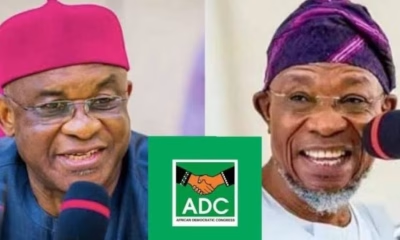
Supreme Court Dismisses David Mark’s Application, Deepening ADC Leadership Crisis Ahead of 2027 Polls
-
 Music Video3 weeks ago
Fally Ipupa & Wizkid Ignite Charts with ‘JAM’ Video from XX Album
-
 News2 weeks ago
Captured Boko Haram Suspect Alleges Links to Senior Military Figure in Viral Interrogation Video
-
 Politics2 weeks ago
2027: Obi, Kwankwaso Supporters Launch ‘OK Movement’ Ahead of ADC Presidential Primary
-

 Events4 weeks ago
Emiralty Africa to Host ‘Emiralty Connect 1.0’ Summit in Lagos
-

 Politics3 weeks ago
ADC National Convention: Security Beefed Up as 3,000 Delegates Elect New NWC