
Business
Elon Musk Set to become the 1st trillionaire on the planet

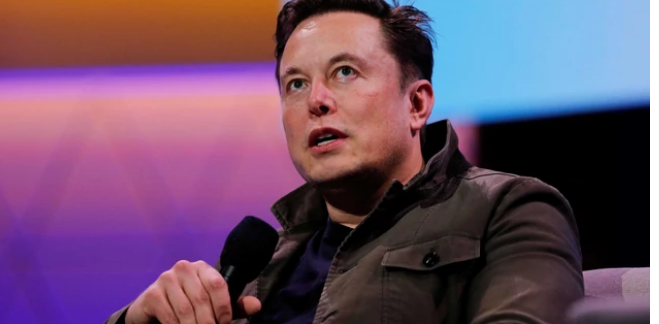
Elon Musk’s fortunes had increased speedily since the start of last year.
The world’s richest person, Elon Musk, is estimated to have a net worth of $242 billion, according to the Bloomberg Billionaires Index.
He is already the world’s richest person, Elon Musk could also become the first member of the trillionaire club.
According to The Guardian UK, analysts at Morgan Stanley have predicted that Musk, 50, could become the world’s first trillionaire, due to his aerospace company SpaceX.

“More than one client has told us that if Elon Musk were to become the first trillionaire… it won’t be because of Tesla,” analyst Adam Jones told the UK newspaper, referring to the electric car company behind the majority of Musk’s wealth to date.
“Others have said SpaceX may eventually be the most highly valued company in the world — in any industry,” Jones added.
Tesla remains Musk’s biggest asset.
Back in January, Musk overtook Jeff Bezos to become the world’s richest person, only to briefly lose the title back to the Amazon billionaire the following month.
Musk went on to reclaim his spot days later, following the completion of a SpaceX funding round, according to Fortune.
Bezos, who is currently the second-richest person in the world, according to Bloomberg, is estimated to have a net worth of $197 billion, followed by Bernard Arnault ($163 billion), Bill Gates ($133 billion) and Mark Zuckerberg ($127 billion).
Musk’s fortunes has speedily risen since the start of last year.
Back in January 2020, Musk was ranked 35th on the list of billionaires, but last year his net worth rose by $100.3 billion, according to Bloomberg.
He became the second-richest person in the world that November.
Bloomberg reported at the time that Musk’s financial surge came as Tesla’s market share hit $500 billion, which was an all-time high for the electric automaker company.
So far records have it that this year, the billionaire has increased his fortune by $72 billion, a 42.4% increase from this time last year, Bloomberg reports.









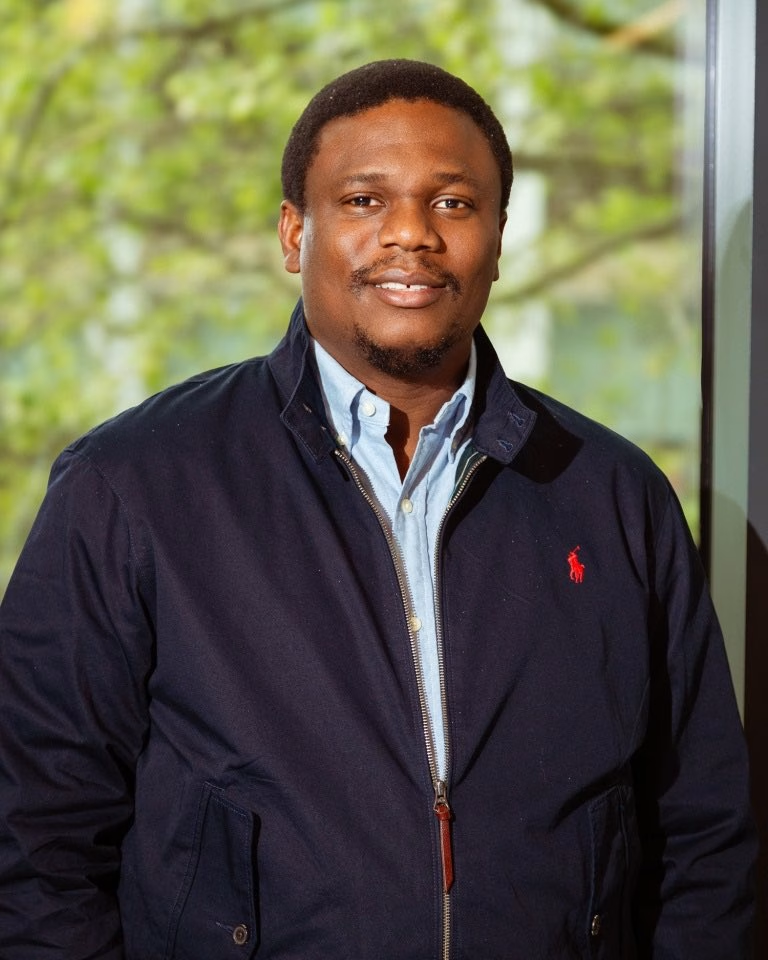
Comments by Tosin Eniolorunda, CEO of Moniepoint, have sparked a heated debate online after he questioned the quality of Nigeria’s talent pool while discussing his company’s hiring challenges.
Speaking at the The Platform Nigeria on May 1, Eniolorunda said the fintech firm had advertised over 500 vacancies since 2024 but struggled to find qualified local candidates. He revealed that by 2025, the company reversed its local-only hiring policy due to the shortage.
“I used to feel Nigerians are really bright… but we are still struggling to find Nigerians to fill those roles. They don’t meet global standards,” he said, attributing the gap to factors such as social media distractions, cybercrime, hookup culture, and weaknesses in the education system.
Backlash and Counterarguments
His remarks triggered swift backlash from Nigerians, particularly within the tech community, with many accusing local companies of failing to invest in talent development.
Critics argued that unlike global firms, Nigerian tech companies rarely offer structured, paid internship programs or training pipelines to groom young professionals. Some pointed to examples of international companies like Oracle Corporation, where internships and early talent programs serve as entry points into full-time roles.
Others shared personal experiences of being rejected by local firms despite strong resumes, while noting that Nigerian professionals continue to secure roles in global companies such as Amazon.
A recurring sentiment online was that many Nigerian companies demand “global-standard talent” but are unwilling to offer competitive compensation or career development opportunities.
Industry Perspective
Supporters of Eniolorunda’s stance, however, pointed to the realities of scaling a fast-growing fintech company in a competitive global market. They cited brain drain, limited specialized skills, and increasing demand for top-tier expertise as genuine challenges facing Nigerian startups.
Analysts say the controversy highlights a broader issue within Nigeria’s tech ecosystem balancing expectations between employers and job seekers, while addressing gaps in education, training, and remuneration.
The debate mirrors ongoing tensions around talent development, compensation, and hiring practices in Nigeria’s fast-evolving tech sector.
As companies expand and compete globally, the question of how to build, retain, and fairly reward talent is likely to remain a central issue.
i
Follow BONA NAIJA for more


Nigerian billionaire industrialist Aliko Dangote has been named among the world’s most influential figures in the 2026 edition of the TIME 100 list.
The annual ranking, released on April 15, 2026 by TIME Magazine, recognises individuals shaping the future across business, politics, science, and culture.
Global Leaders and Influencers Recognised
Dangote joins a powerful lineup of global figures, including:
- Donald Trump
- Xi Jinping
- Benjamin Netanyahu
- Mark Carney
- Pope Leo XIV
Also featured are top technology leaders such as:
- Sundar Pichai
- Neal Mohan
Dangote’s Recognition Highlights African Influence
Aliko Dangote is the only Nigerian on the 2026 list and is featured in the “Titans” category, underscoring his impact on global industry and economic development.
This marks his second appearance on the TIME100 list, having first been honoured in 2014 for his contributions to business and philanthropy.
Other notable figures in the Titans category include:
- Reid Wiseman
- Michael Dell and Susan Dell
- Ralph Lauren
Contributions Driving Recognition
As Founder and President of the Dangote Group, Dangote has led Africa’s largest industrial conglomerate, driving large-scale investments across:
- Cement manufacturing
- Agriculture and food processing
- Infrastructure development
- Energy and refining
His industrial expansion has significantly reduced reliance on imports while creating millions of jobs across Africa.
According to TIME’s citation, Dangote’s vision of building globally competitive African industries using local resources has positioned him as a key figure in the continent’s economic transformation.
Strong Philanthropic Footprint
Beyond business, Dangote’s influence extends through the Aliko Dangote Foundation, one of Africa’s largest private foundations.
The foundation supports initiatives in:
- Healthcare
- Education
- Nutrition
- Disaster relief
- Economic empowerment
These efforts have improved the lives of millions across vulnerable communities on the continent.
Entertainment and Science Honorees
The 2026 TIME100 list also celebrates figures in entertainment and innovation, including:
- Ranbir Kapoor
- Dakota Johnson
- Kate Hudson
In science and advocacy, pioneers such as:
- Kiran Musunuru
- Rebecca Ahrens-Nicklas
were recognised for breakthroughs in genetic therapy and medical innovation.
A Milestone for African Leadership
Dangote’s inclusion reflects a growing global recognition of African leadership, innovation, and enterprise. His continued influence positions him as a symbol of the continent’s rising role in shaping global economic and development narratives.
Follow BONA NAIJA for more

The Nigerian currency recorded a modest gain in early trading on Thursday, strengthening against the United States Dollar at the official market.
Data from the Nigerian Foreign Exchange Market (NFEM) showed that the Naira traded at approximately N1,344.20 per Dollar as of 7:00 AM WAT.
Naira Shows Early Stability in Trading Session
Real-time market figures indicated that the local currency maintained a relatively stable range during the opening session, reaching an early high of N1,343.83/$ before settling around the N1,344 mark.
This performance reflects a slight appreciation compared to previous sessions, signaling improved confidence in the foreign exchange market.
Parallel Market (Black Market) Rate
At the parallel market, also known as the black market, the Naira traded at a slightly weaker rate compared to the official window.
Currency dealers in major hubs such as Lagos and Abuja quoted the Dollar at:
- Buying Rate: N1,360/$
- Selling Rate: N1,380/$
The gap between the official and parallel market rates highlights persistent demand pressures in the informal FX segment, where access to foreign currency remains more flexible but costlier.
Factors Driving the Appreciation
Market analysts attribute the Naira’s positive movement to:
- Increased foreign currency inflows into the economy
- Continued interventions by the Central Bank of Nigeria (CBN)
- Ongoing efforts to clear the backlog of unmet foreign exchange demand
These developments have helped stabilize the currency in recent weeks, easing pressure on the FX market.
Experts Remain Cautiously Optimistic
Financial experts say current market sentiment remains cautiously optimistic, largely supported by recent economic reforms targeted at strengthening the Naira.
However, they warn that demand pressures could still influence exchange rate movements in the coming weeks, particularly due to:
- Rising demand for foreign exchange for international education
- Increased travel-related expenses
- Seasonal import activities
While the Naira has shown signs of resilience in early trading, analysts believe sustained stability will depend on consistent FX supply and effective policy implementation by monetary authorities.
Follow BONA NAIJA for more
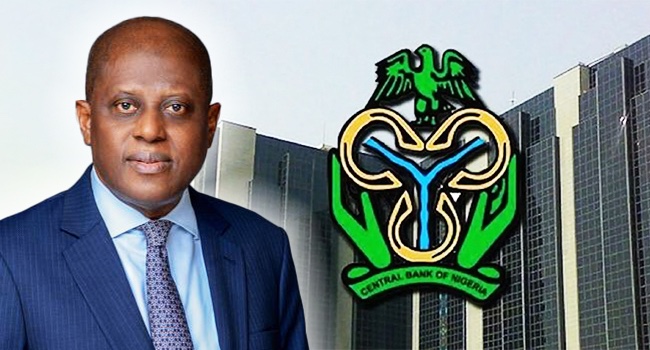
The Central Bank of Nigeria (CBN) has announced sweeping new rules governing the Bank Verification Number (BVN) system, set to take effect from May 1, in a move aimed at strengthening financial security and curbing rising fraud across digital banking channels.
The new guidelines will significantly impact how millions of Nigerians access mobile banking services, particularly in areas such as device usage, identity verification, and account protection.
According to the apex bank, the updated BVN framework is designed to address vulnerabilities exploited by fraudsters, especially through SIM swaps and unauthorized access to customer accounts.
Key Changes Nigerians Should Know
1. One Device Per Banking App
Customers will now be restricted to using their mobile banking app on only one device at a time, reducing the risk of unauthorized access.
2. Automatic Logout on New Device Login
When a user logs in on a new phone, the previous device will be automatically logged out, ensuring tighter account control.
3. Extra Verification for Device Switching
Switching devices will trigger additional authentication steps, adding another layer of security.
4. 24-Hour Fraud Watchlist
BVNs flagged for suspicious activity will be placed on a 24-hour watchlist, during which transactions may be monitored or restricted.
5. Temporary Account Freezes
Banks will have the authority to temporarily freeze accounts while investigating unusual or potentially fraudulent transactions.
6. One-Time Phone Number Change Rule
Customers will only be allowed to change the phone number linked to their BVN once in a lifetime, a move targeted at reducing identity manipulation.
7. Crackdown on SIM-Swap Fraud
The new policy specifically targets SIM-swap-related fraud, a growing concern in Nigeria’s banking sector.
8. Minimum Age for BVN Registration Set at 18
Only individuals aged 18 and above will be eligible to enrol for a BVN, while minors must operate accounts under parental or guardian supervision.
9. ₦20,000 Transaction Limit on New Devices
Customers activating mobile banking on a new device will face a transaction cap of ₦20,000 within the first 24 hours.
10. Stronger Fraud Prevention Measures
The CBN says all measures collectively aim to boost trust in Nigeria’s digital banking ecosystem and protect users from financial losses.
Financial analysts say the new rules could reshape user experience in mobile banking, forcing customers to adopt stricter security habits. While the measures may introduce minor inconveniences, they are widely seen as necessary to safeguard deposits and restore confidence in electronic transactions.
Banks across Nigeria are expected to begin immediate implementation, with customers advised to update their details and familiarize themselves with the changes ahead of the May 1 rollout.
Follow BONA NAIJA for more
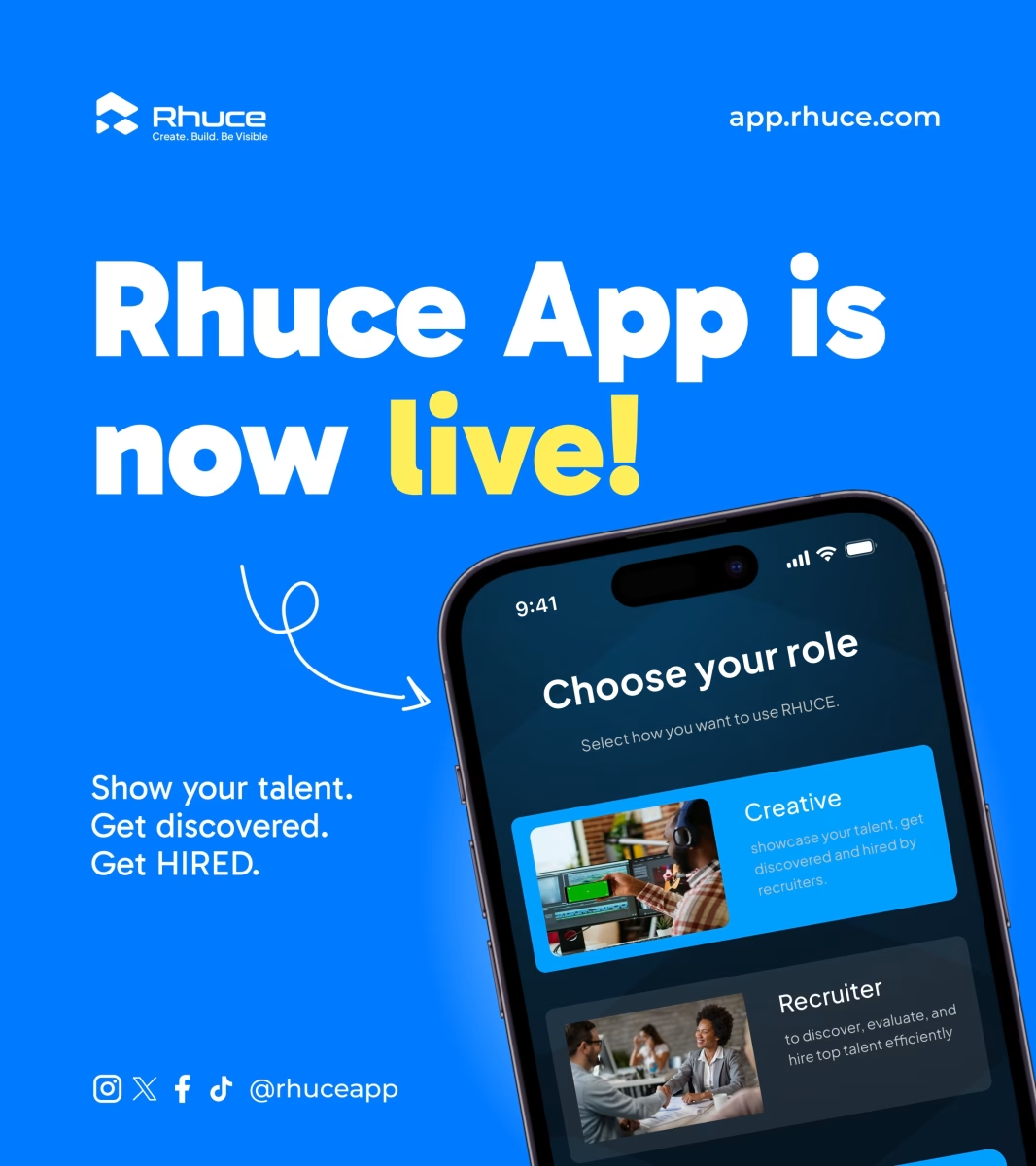
RHUCE, a new social platform designed for African creatives, has officially launched today, introducing a new model for how creators across the continent can turn their skills, learning, and content into income.
As Africa’s creator economy, estimated at over $3 billion, continues to grow, millions of young people are building digital skills but struggle to convert them into sustainable opportunities. RHUCE aims to bridge this gap by combining professional identity, creator monetisation, and opportunity discovery in a single ecosystem.
“Across Africa, talent is everywhere, but opportunity is fragmented,” said Simeon Ifeoluwa Adeyanju, CEO of RHUCE Limited. “Creators are learning, building, and sharing their work, but they lack a structured way to turn that into visibility, credibility, and income.”
READ ALSO: Truecaller Expands Business Chat Platform to Global Partners, Targets Enterprise Growth
Unlike traditional platforms that prioritise virality or finished work, RHUCE enables users to document their growth in real time, transforming their learning journey into a living portfolio.
“We believe your journey is your greatest asset,” Adeyanju said. “On RHUCE, your growth becomes your portfolio, your consistency builds your credibility, and opportunities can discover you based on what you’re becoming, not just what you’ve done.”
The platform introduces a shift from application-based hiring to discovery-driven opportunities, where creators are matched with jobs, gigs, and collaborations based on their evolving skills and documented progress.
“Instead of chasing opportunities across WhatsApp groups, DMs, and multiple platforms, we’ve built a system where you can post once and be discovered continuously,” he added.
RHUCE also provides monetisation tools that allow creators to earn through digital products, paid learning content, and brand-sponsored campaigns, unlocking new income streams within Africa’s fast-growing digital economy.
With over 60% of Africa’s population under 25, the platform positions itself as infrastructure for the continent’s next generation of talent.
“RHUCE is not just a platform for finished professionals,” Adeyanju said. “It is for people becoming something. Our goal is simple: help Africans turn learning into opportunity, and opportunity into income.”
Follow BONA NAIJA for more

Nigeria Bans Honorary Degree Holders from Using ‘Dr’ Title

Mercedes G63 Kills Six Cows in Abuja Highway Crash

Saka Sends Arsenal to First Champions League Final Since 2006

Shaibu Calls for Stronger Inter-Agency Collaboration as NIS Produces Nigeria’s First Certified Marathon Medical Director

Job Vancancy: Moniepoint Job Vacancies in Abuja and North Central Nigeria

Lookman Spotted in London Ahead of Arsenal vs Atletico UCL Showdown

2027 Bombshell: Ohanaeze Tells Peter Obi to Step Down for Tinubu

Burna Boy Splashes $100,000 on 6uff, Odumodublvck at Lagos Club Night

Nigerians Slam Moniepoint CEO Over ‘Talent Quality’ Remarks Amid Hiring Debate

Outrage as Soldier Assaults Journalist Over Traffic Dispute in Lagos

News Flash: Court Suspends Secondus As PDP National Chairman, Member

2019 Presidency: Donald Duke’s Running Mate Quites Race Allegedly joins Atiku

Falana threaten to sue Kachikwu over $60bn oil revenue loss

#BONANAIJATV: Exclusive interview with OMPAN National President Comr Emeh James Anyalekwa #ompanowerri2018

Video : Phyno – Agu
Philippines president, Rodrigo Duterte brags about the size of his manhood

Video: Burna Boy – “Dangote”

VIDEO: Becca – Magic ft. Ycee

VIDEO: Patoranking x Davido – Confirm
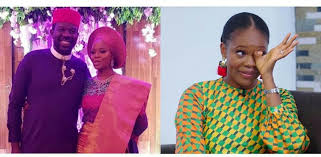
TV personality Zainab Balogun reveals how she met her hubby and how his kids reaction when she told them she was going to be their new mum

Video: Screening of Former Governor of Kaduna State, Elrufai

OLISAE Rolls Out Video for New Song “SAMBELE” featuring Slowdog

Video: Dino Melaye mocks Tinubu during the PDP rally In Delta

Video: Shettima & I Will Not Abuse Each Other Like Obasanjo & Atiku – Bola Tinubu

Watch Sabinus’ Comedy on Tinubu, Peter Obi, other presidential candidates

Video: Buju feat. Burna Boy – Lenu (Remix)

VIDEO: Sammie Okposo – Nobody Can

VIDEO: Falz – Bop Daddy ft. Ms Banks

Watch Diane Russet’s Short Film “Bayi”

Video: Acoustic Performance of Patoranking’s “So Nice”


-
 Jobs3 weeks ago
Germany Embassy Abuja Announces Job Vacancy
-

 Jobs4 weeks ago
EU Invites Nigerian Graduates to Apply for 2026 Funded Traineeship in Abuja
-
 Jobs3 weeks ago
Research Interviewers Job: Jhpiego Hiring Across 36 States & FCT
-
 News3 weeks ago
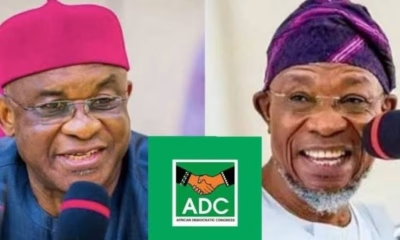
Supreme Court Dismisses David Mark’s Application, Deepening ADC Leadership Crisis Ahead of 2027 Polls
-
 Music Video3 weeks ago
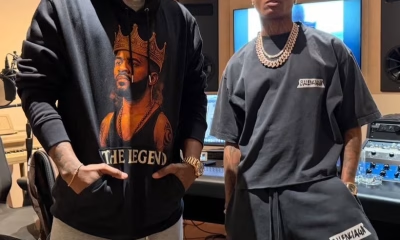
Fally Ipupa & Wizkid Ignite Charts with ‘JAM’ Video from XX Album
-
 Politics2 weeks ago
2027: Obi, Kwankwaso Supporters Launch ‘OK Movement’ Ahead of ADC Presidential Primary
-

 News2 weeks ago
Captured Boko Haram Suspect Alleges Links to Senior Military Figure in Viral Interrogation Video
-

 Politics3 weeks ago
ADC National Convention: Security Beefed Up as 3,000 Delegates Elect New NWC
-

 Sports3 weeks ago
Champions League Shockers: Real Madrid, Liverpool Out as 2026 Semi-Final Lineup Emerges
-
 Politics3 weeks ago
ADC Concludes Convention, Ratifies Mark-Led NWC Ahead of 2027 Push